„What if 'less car' didn’t look like deprivation, but rather a conscious decision?“
The Mobility Gap
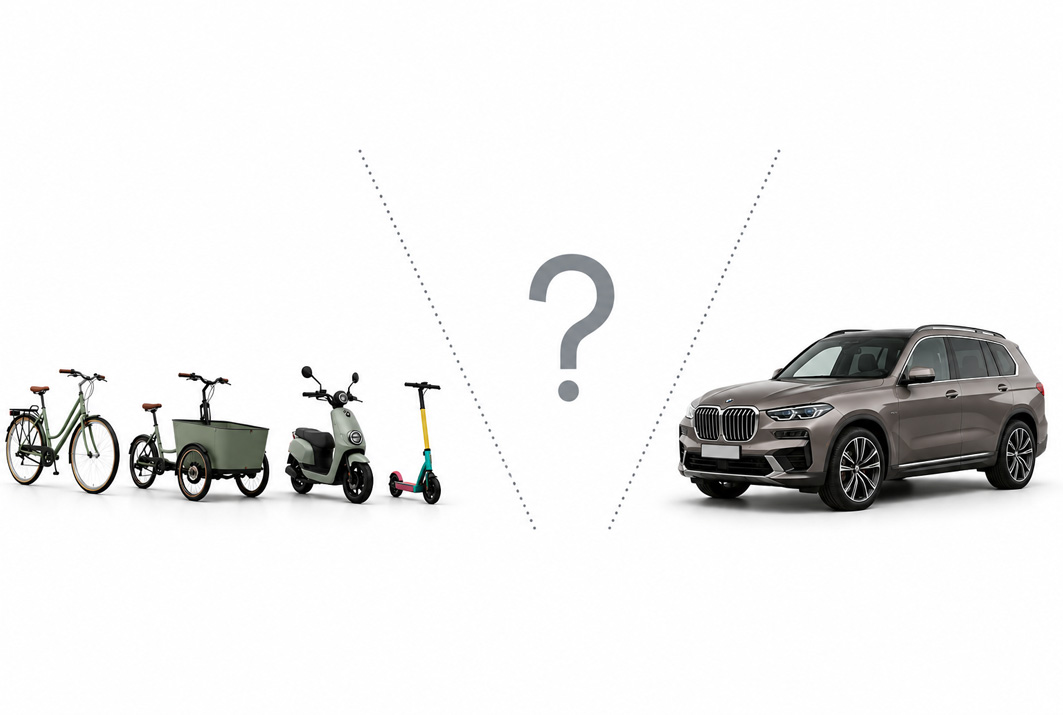
The transition to sustainable mobility is expected to take place without the conventional car.
Yet in reality, a significant part of the population is unwilling to give up individual mobility on four wheels.
There is a clear mobility gap between bicycles or scooters and conventional cars.
What is missing is a socially accepted alternative to the car.
Microcars could provide that alternative.
Microcars are up to 85 per cent lighter than conventional cars, giving them a correspondingly better carbon footprint.
They have been available for years – including from major European manufacturers.
Microcars and Perception
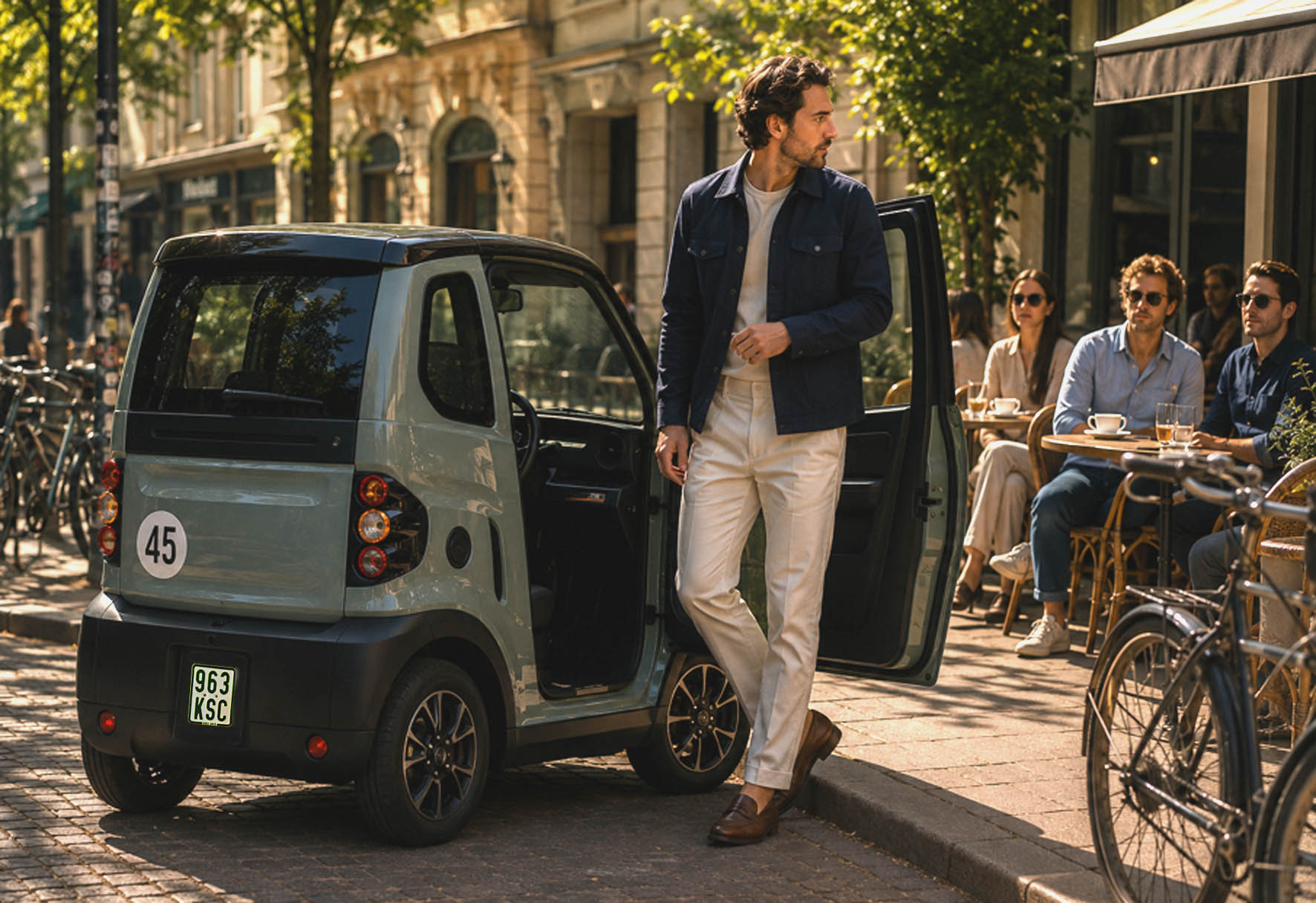
Microcars solve the technical problem of vehicle size, but they do not solve the problem of social acceptance.
The problem is not that microcars offer less car, but that they are perceived as lesser cars. They are not seen as an intelligent form of reduction, but as a compromise imposed by circumstance:
Not enough car.
Not enough status.
Not enough attraction.
And nowhere near cool enough.
How Must a Microcar be Designed?
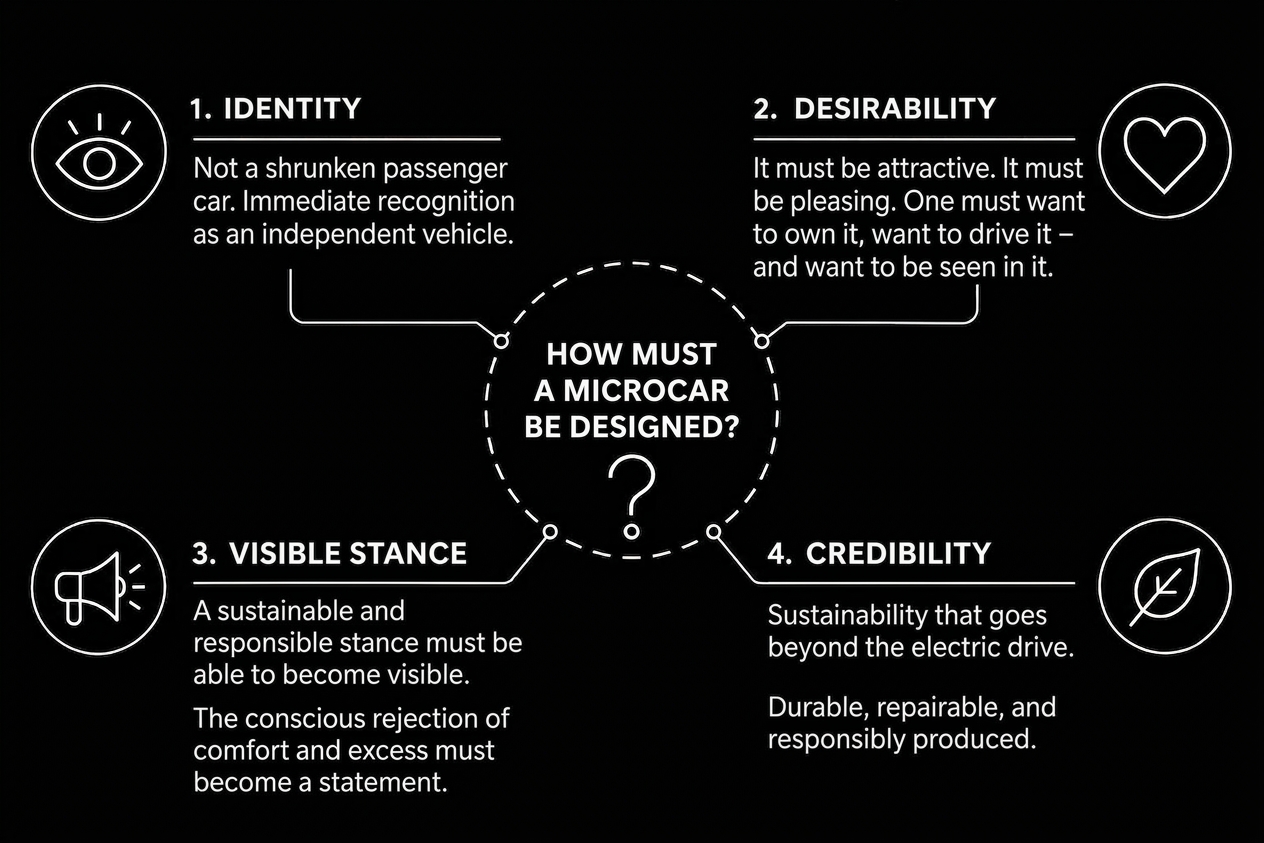
Our Answer:
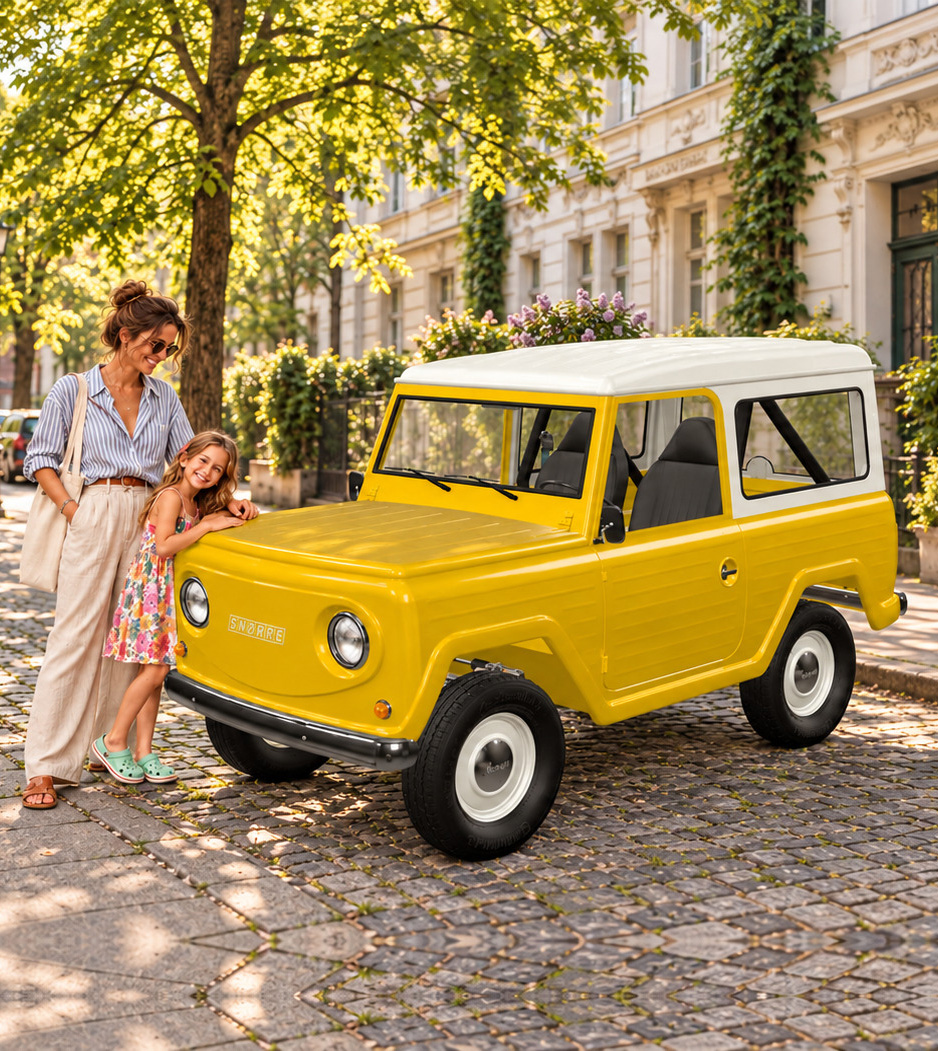
The SNØRRE Microcar
1. Distinctive Identity
Deliberately different from the aesthetics of modern cars, yet built around familiar, appealing proportions and an unmistakable design language.
2. Desirability
Likeable at first glance, full of character at second. Not merely accepted, but genuinely desired.
3. A Visible Statement
Sustainability is made visible rather than merely claimed through technical specifications. Choosing this vehicle consciously becomes an expression of personal values – and a statement in itself.
4. Credibility
Timeless design instead of short-lived fashion. Ultimately, genuine sustainability means creating a product that people are able – and willing – to use and keep for a long time.
The SNØRRE Microcar is designed for long-term use and repairability, with a commitment to responsible production and value creation predominantly in Europe.
Designed for Real-World Production
The SNØRRE Microcar has been developed as a vehicle that can be built in practice, with technical complexity deliberately kept to a minimum. Its design is ready for the next development stage. Interior proportions and several drive systems have already been tested using a functional test vehicle.
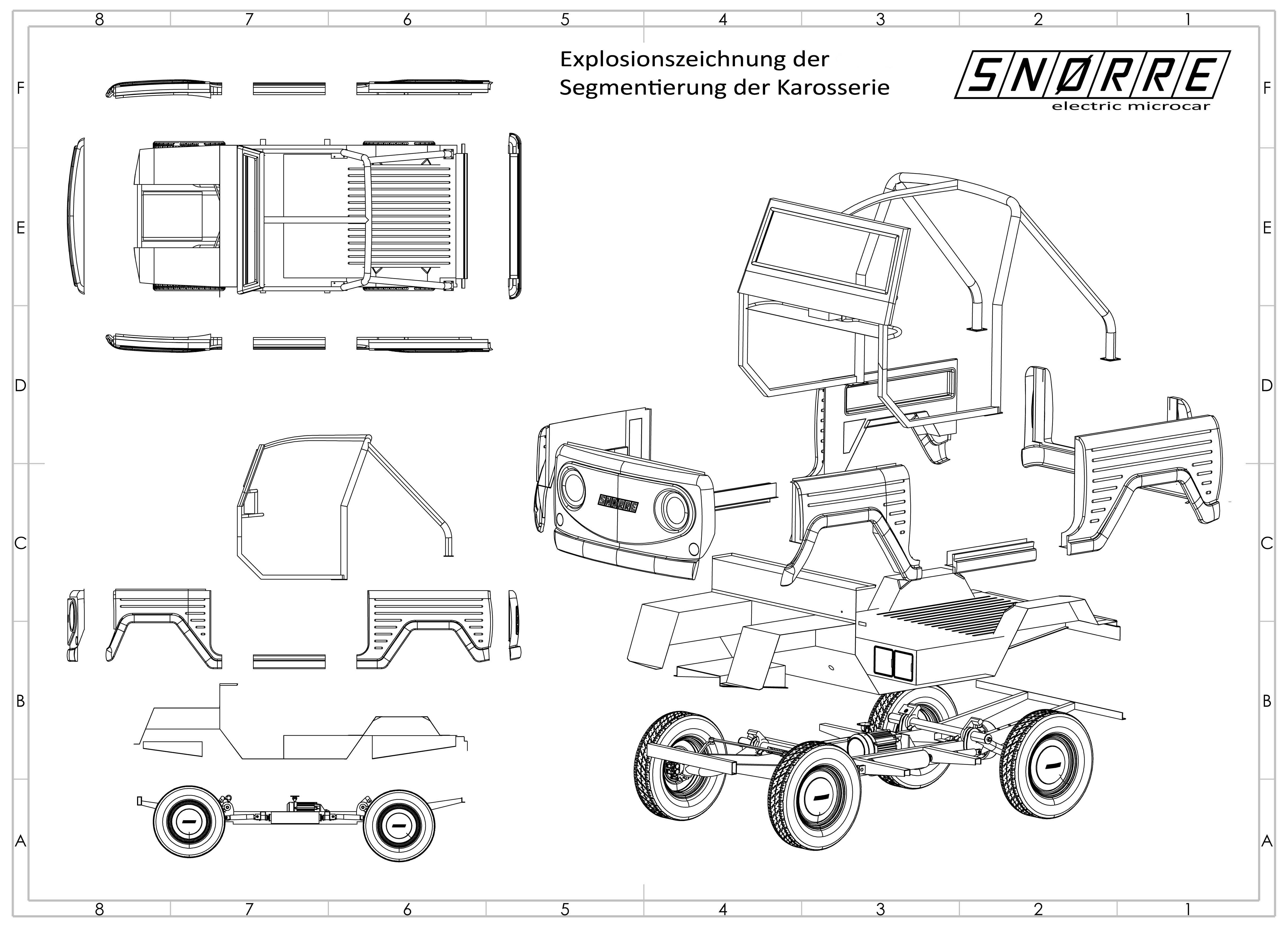
The vehicle architecture is based on proven engineering principles, manageable manufacturing processes and a modular body structure. Over several years, the concept has been developed with design engineers, technical partners and a DEKRA homologation engineer, with a focus on practical feasibility.
The current stage of development includes:
- a defined chassis and suspension design,
- a manufacturing approach prepared for prototype construction,
- a modular body structure,
- groundwork for homologation, and
- a deliberately simplified approach to components.
The vehicle architecture is designed for repairability, flexible manufacturing and a long service life. It is intended to make both prototype construction and future series production possible with manageable capital requirements.
The next step is to build and test five near-production prototypes.
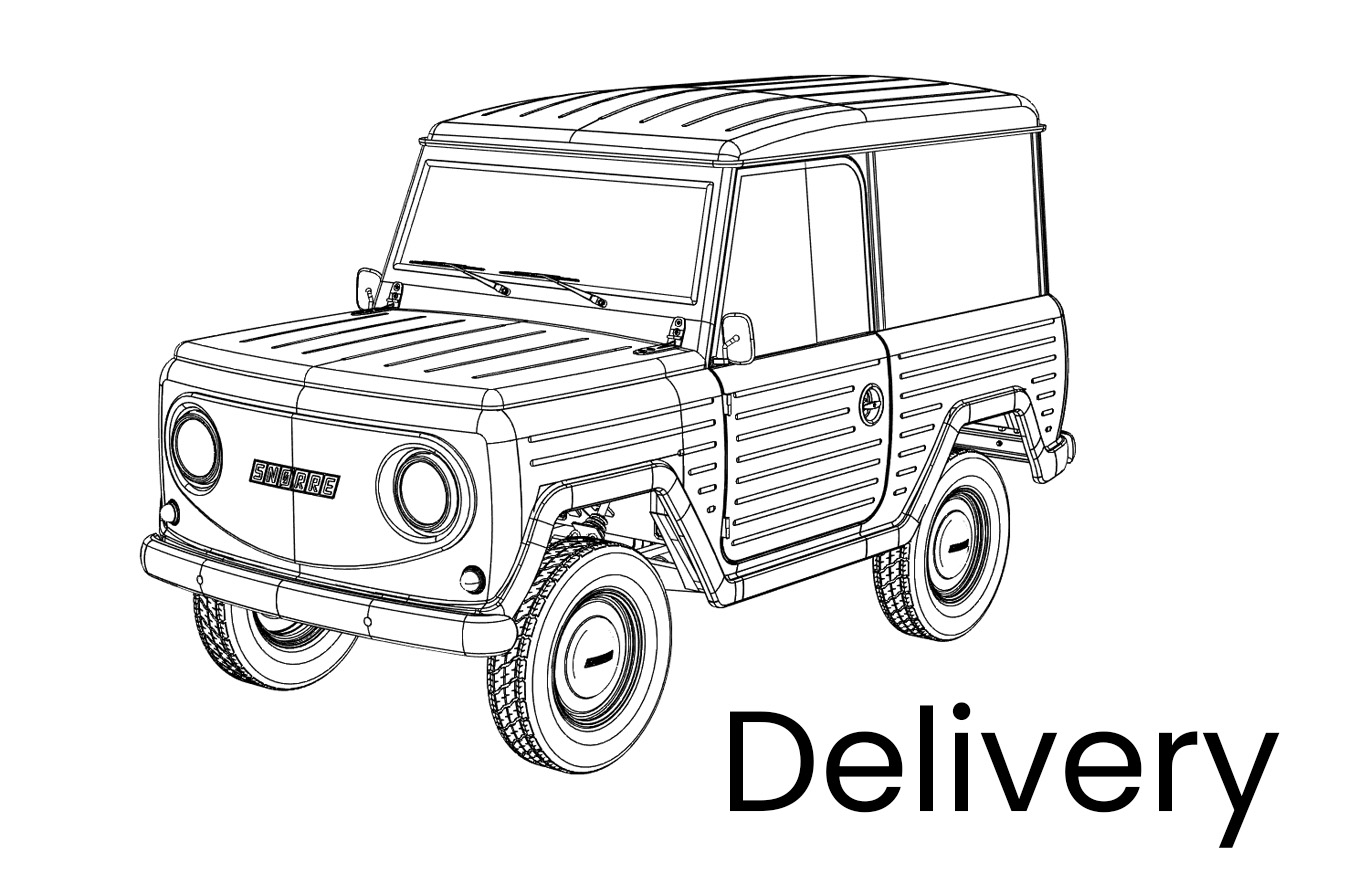
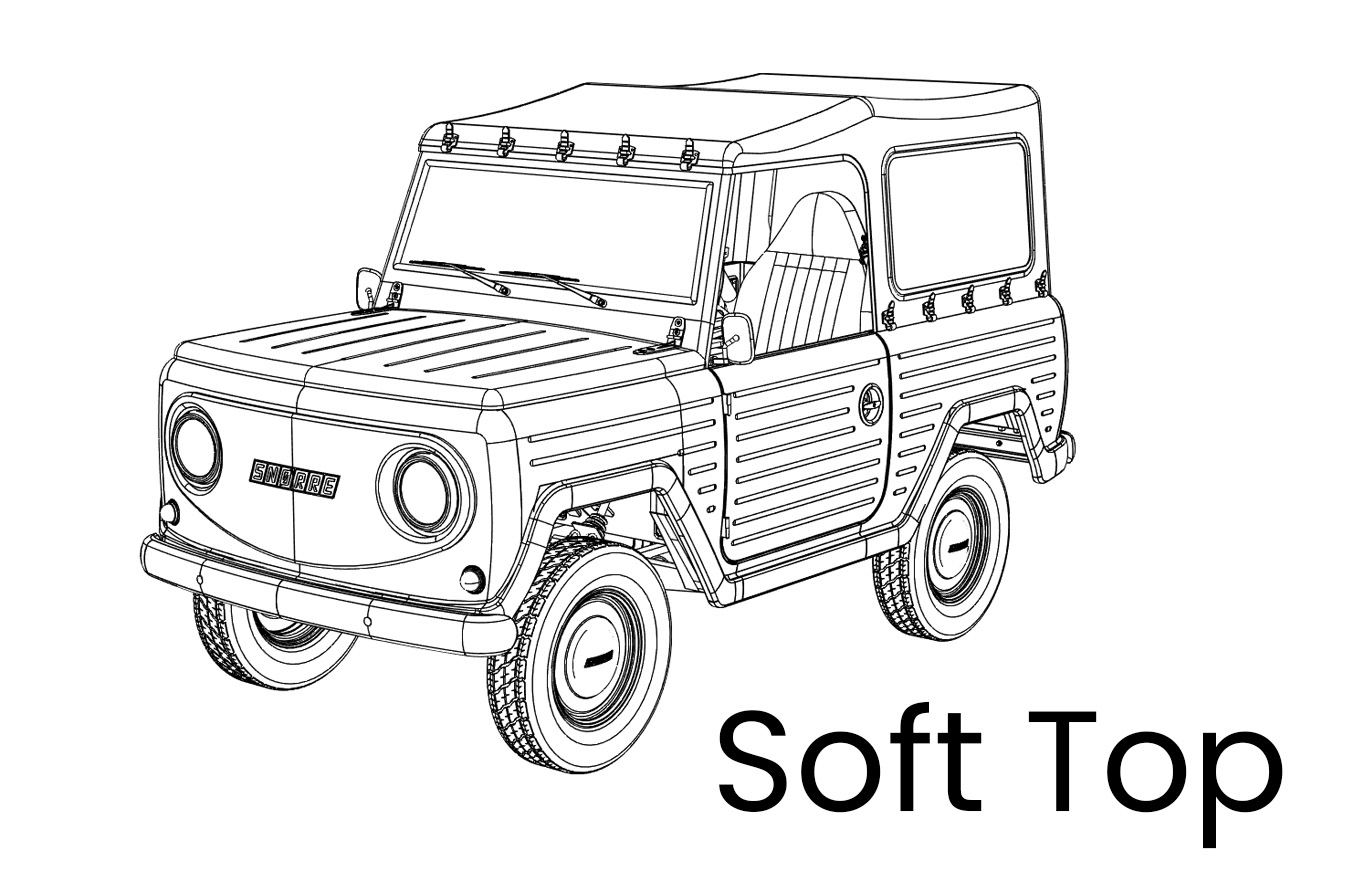
One SNØRRE - Five variants
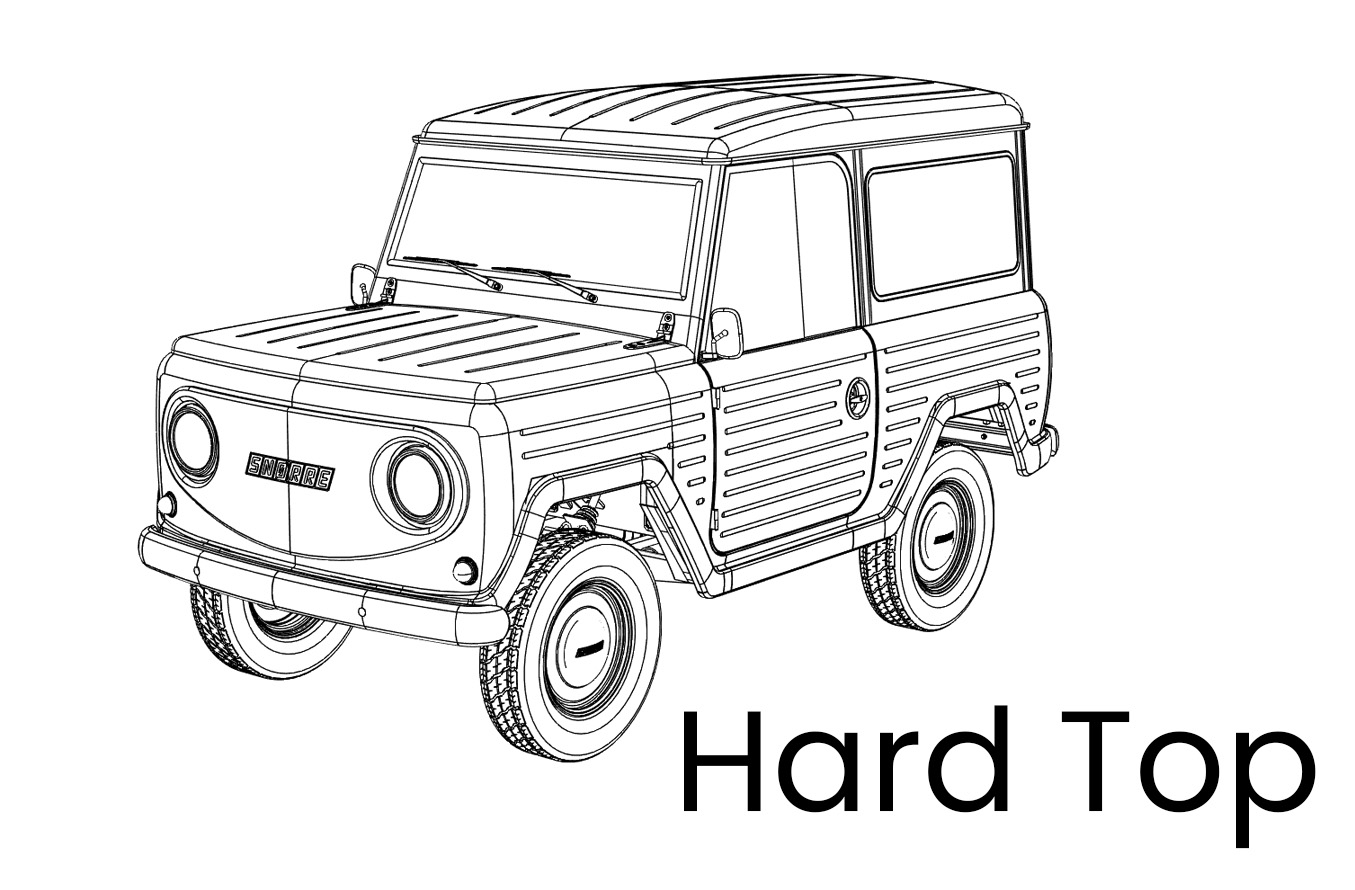
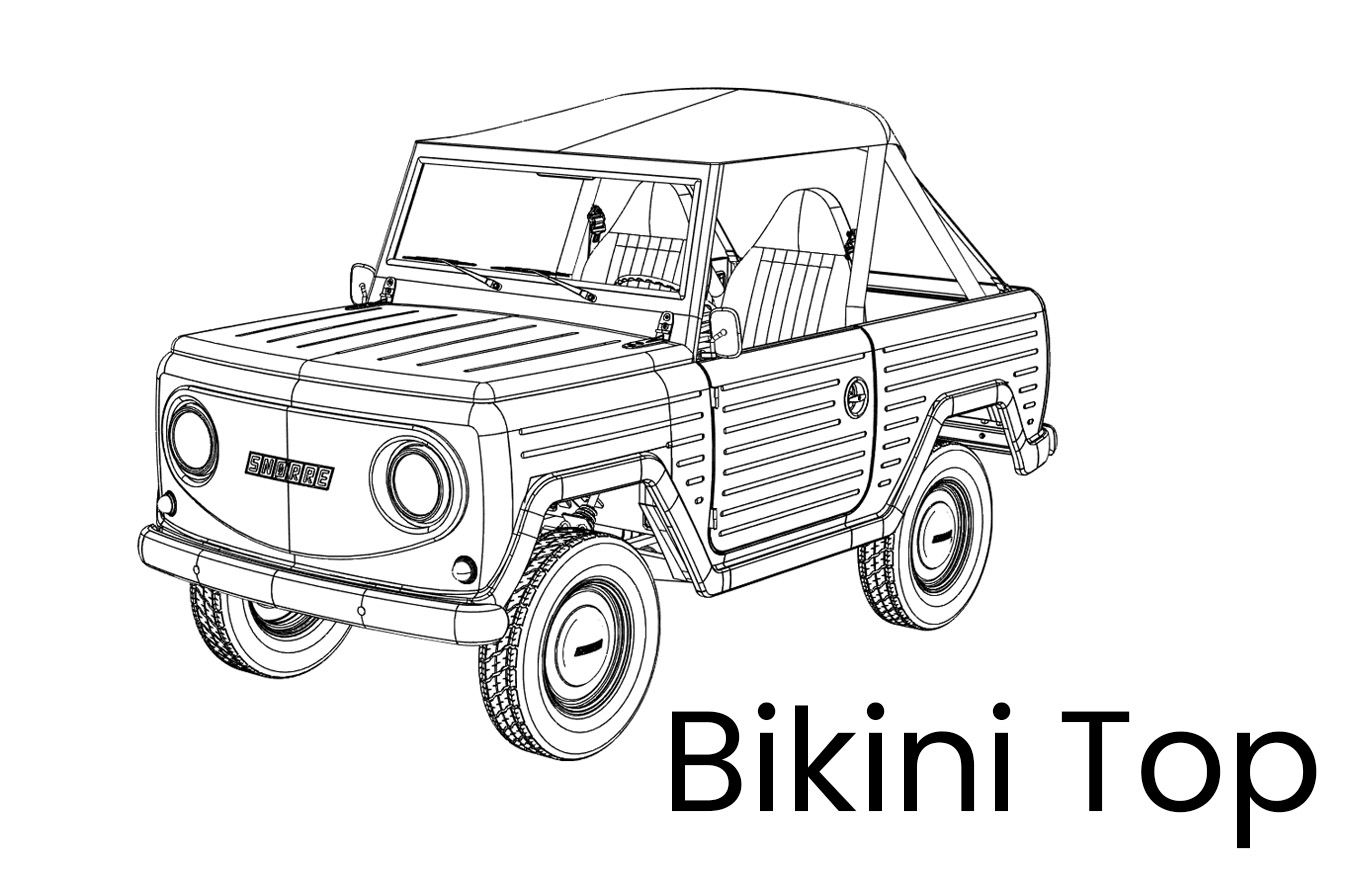
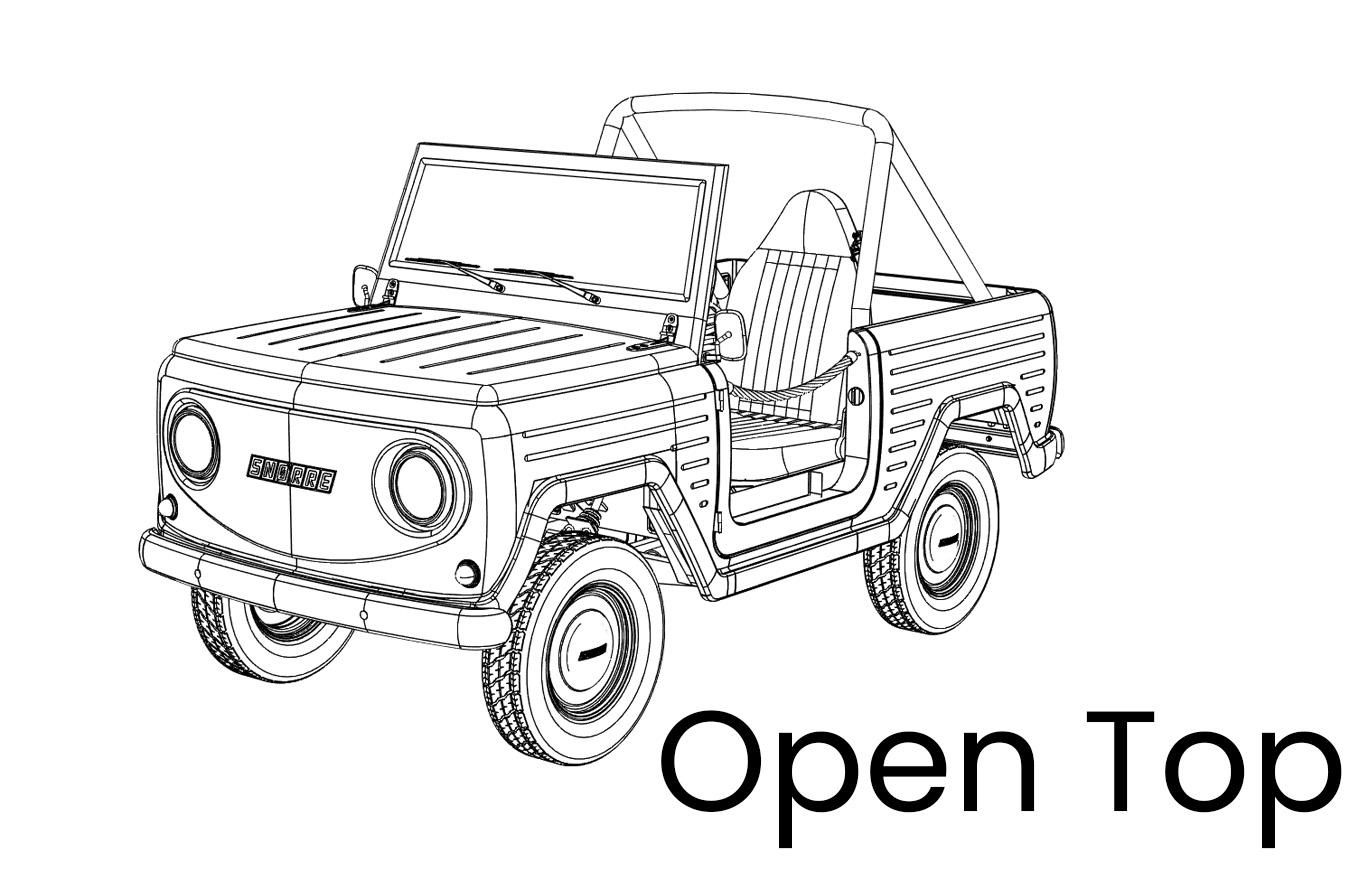
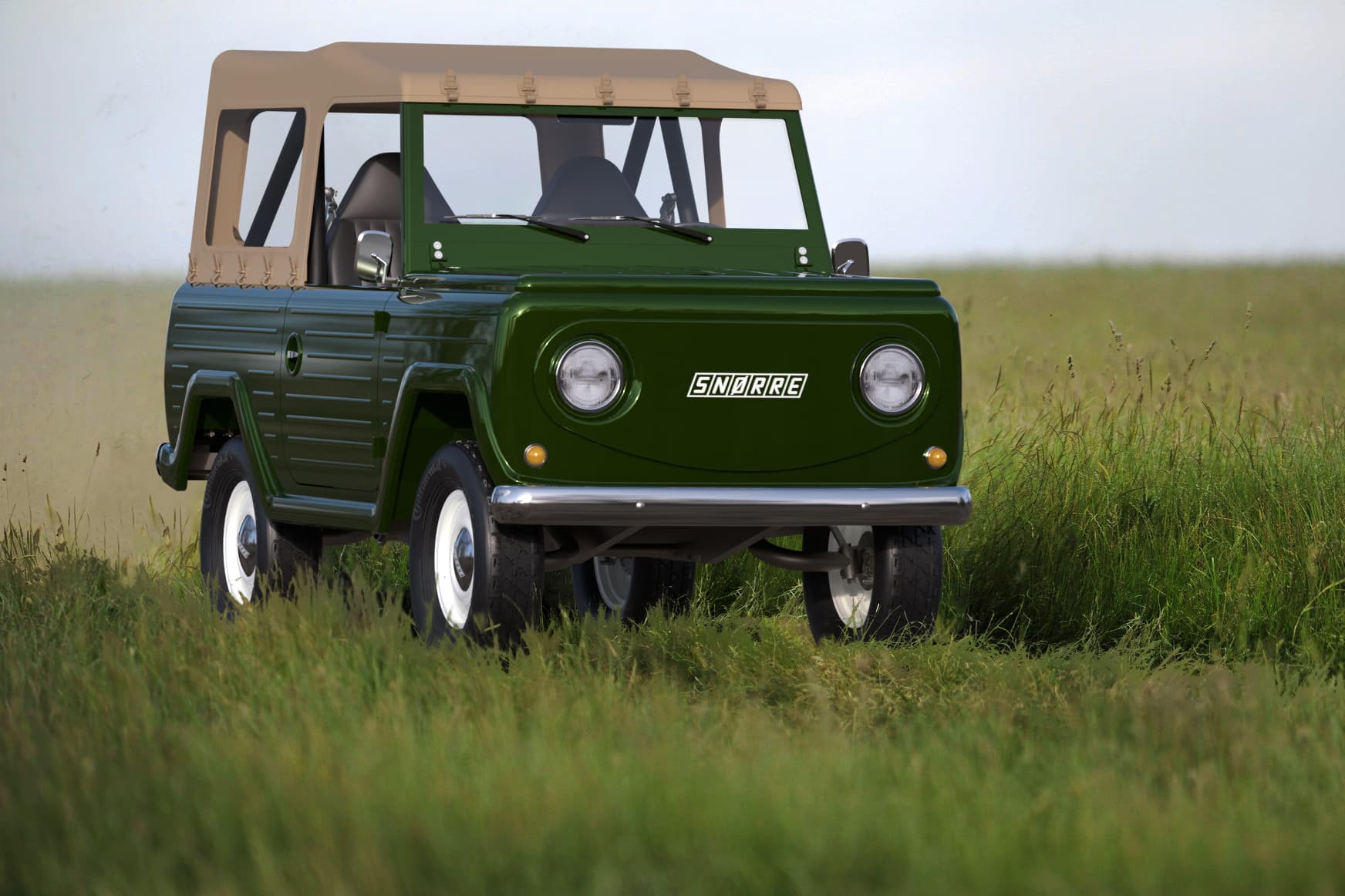
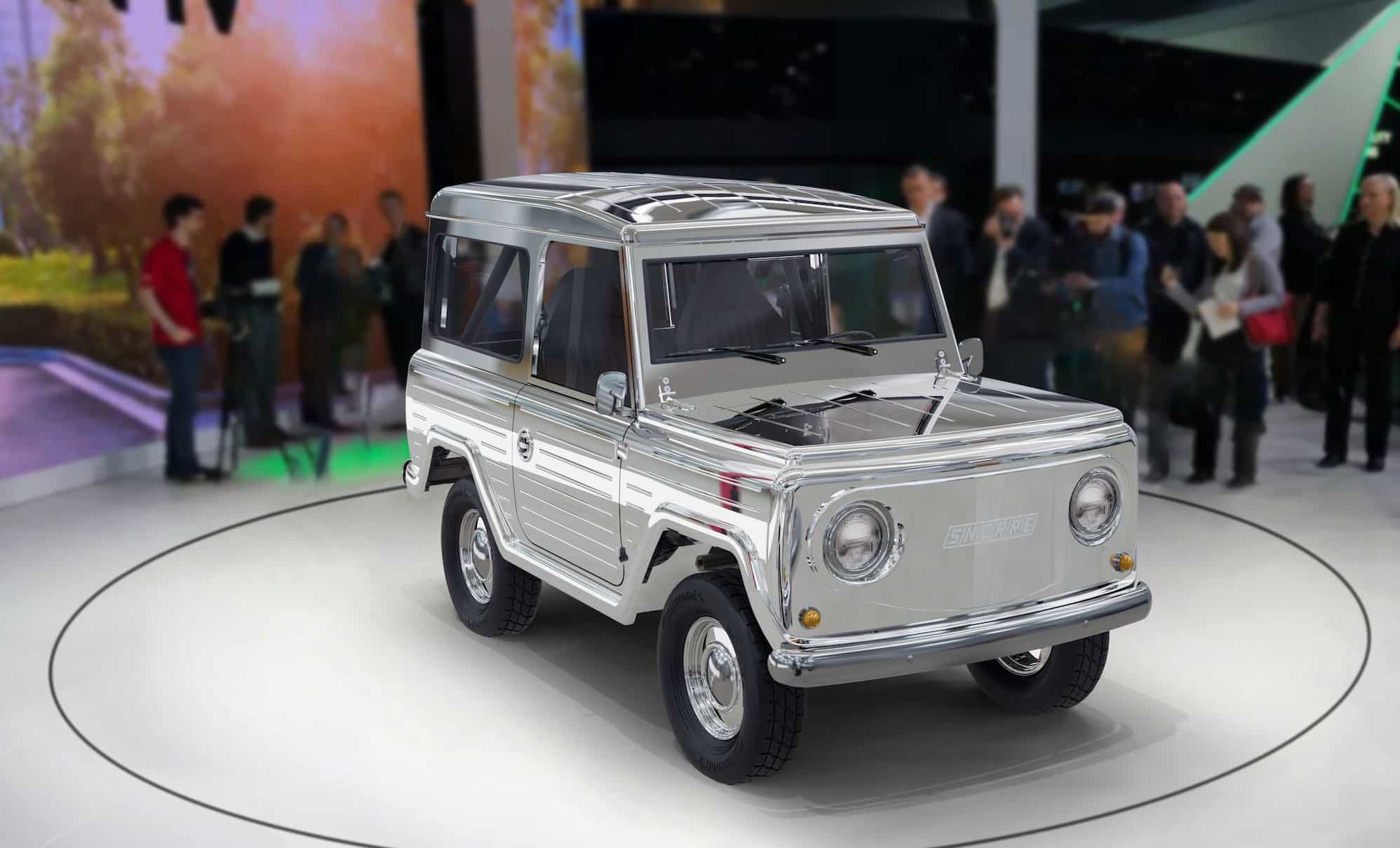
"Hard Top"
Application and Usage options
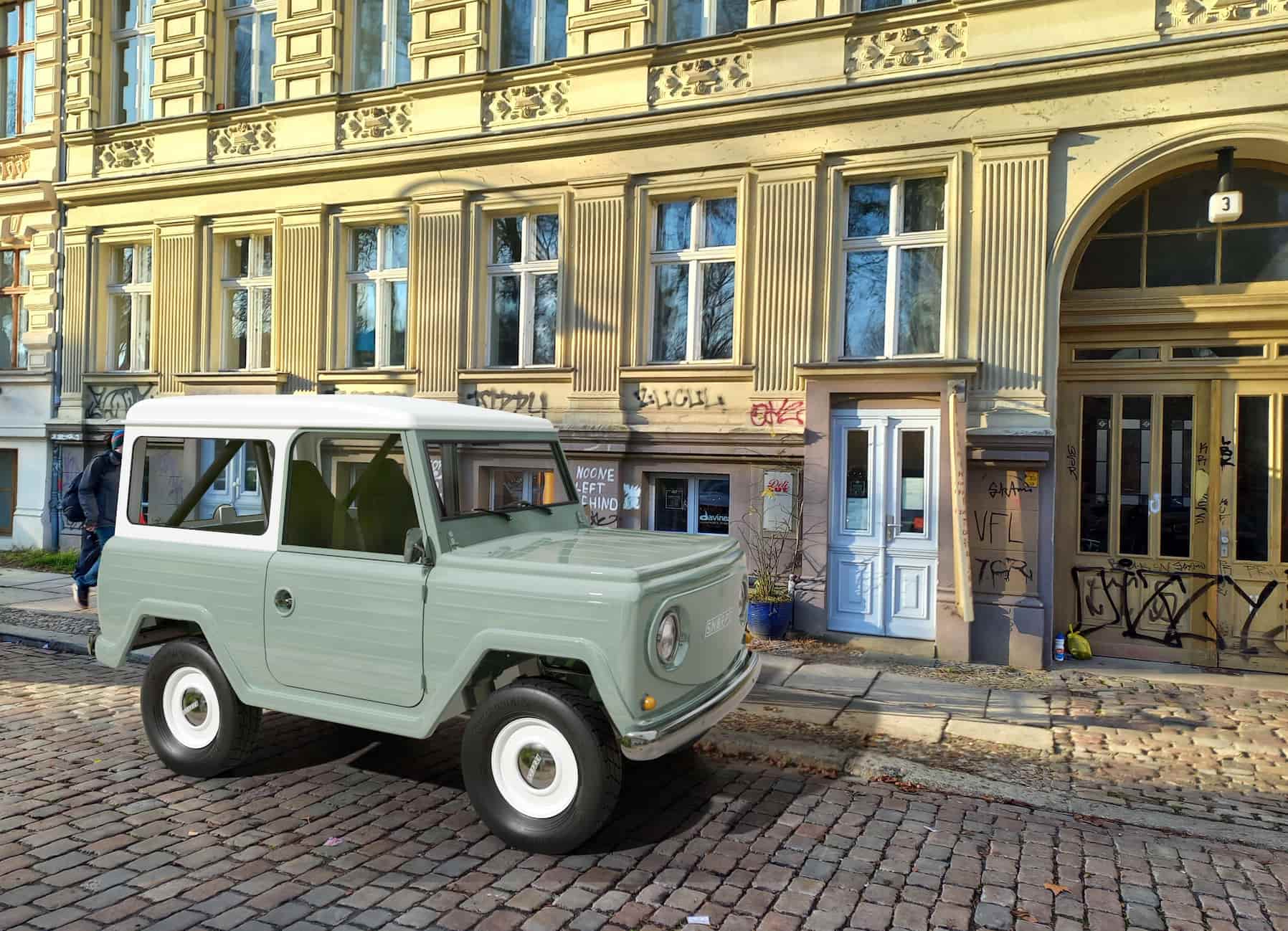
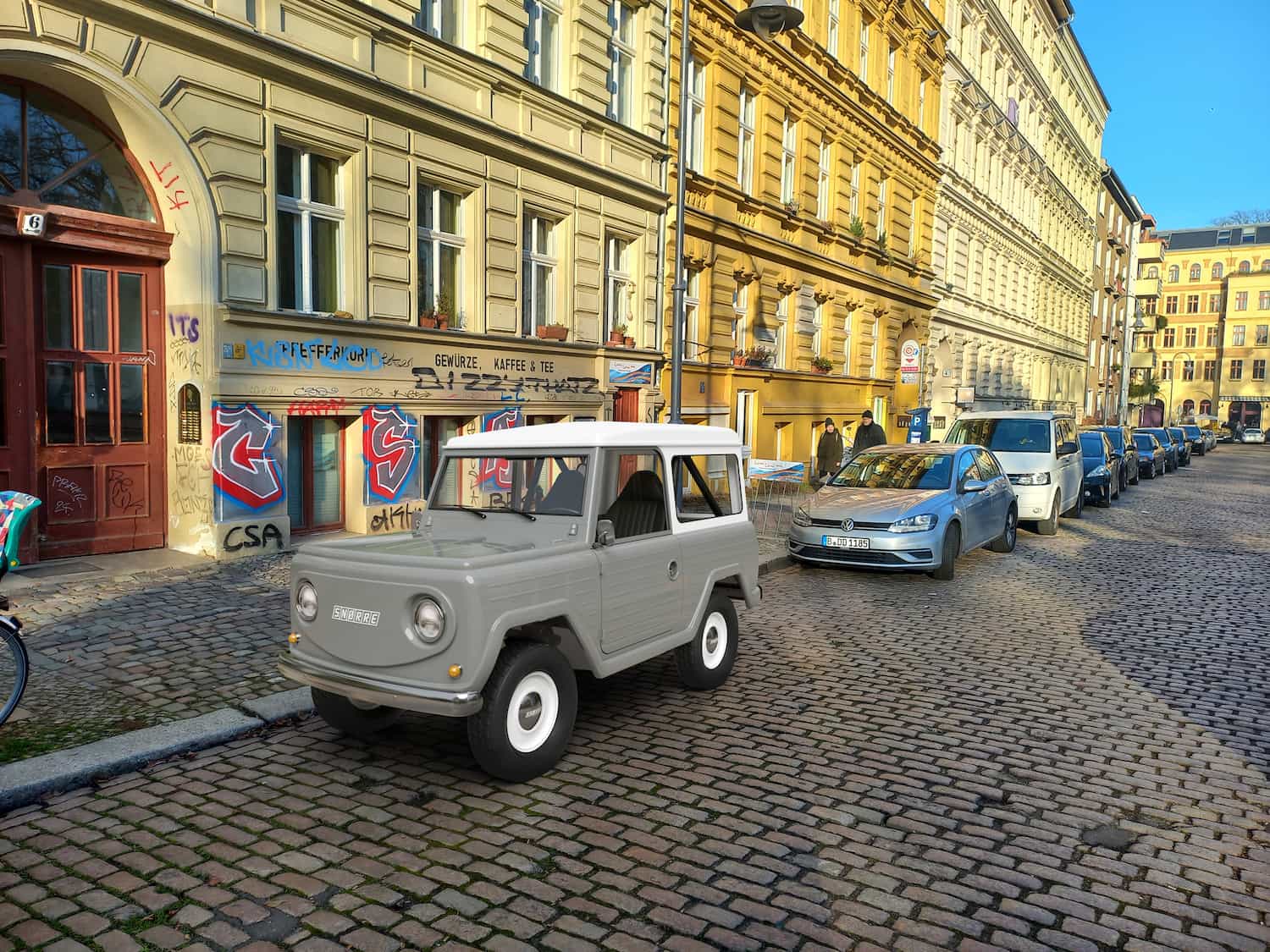
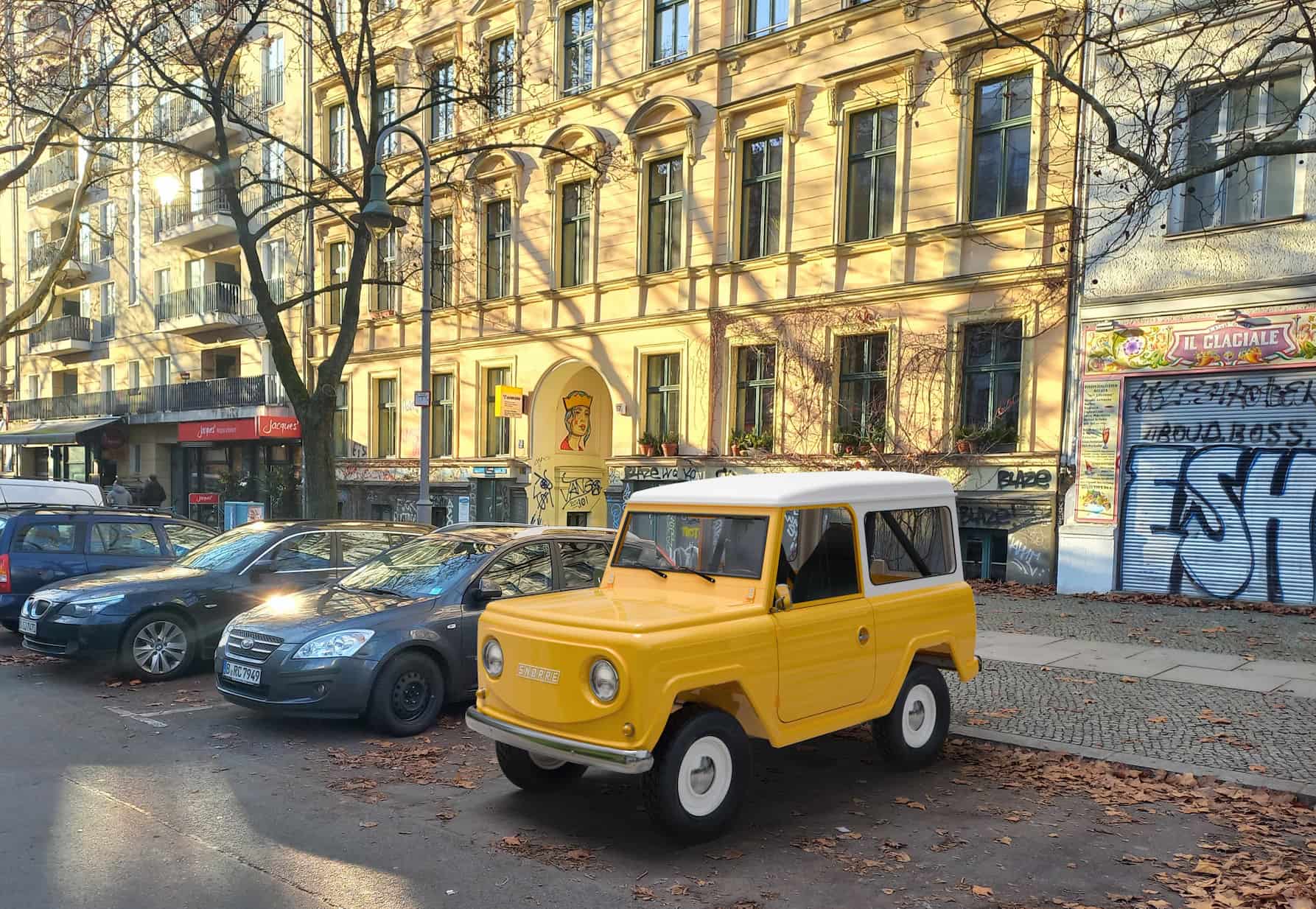
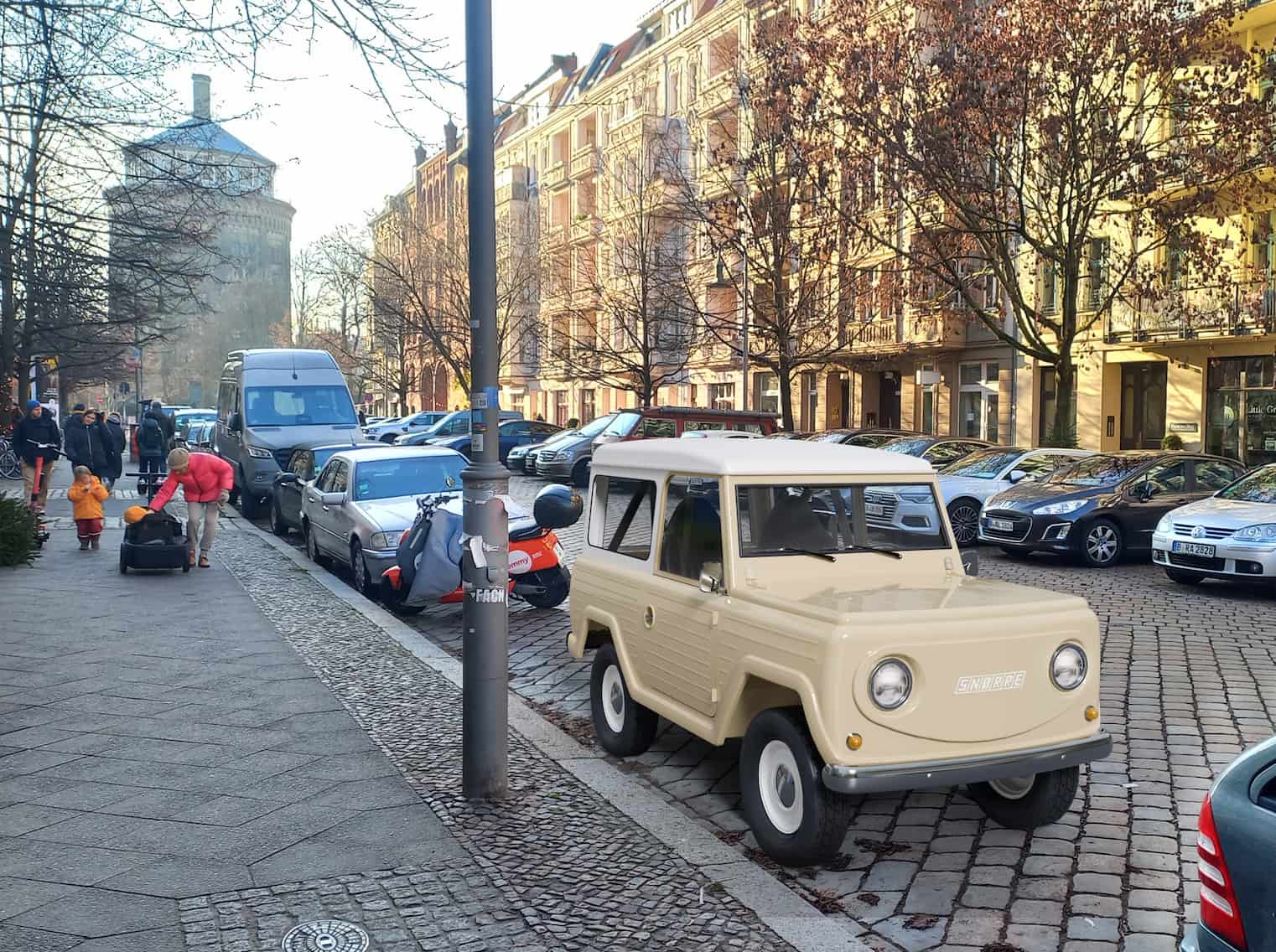
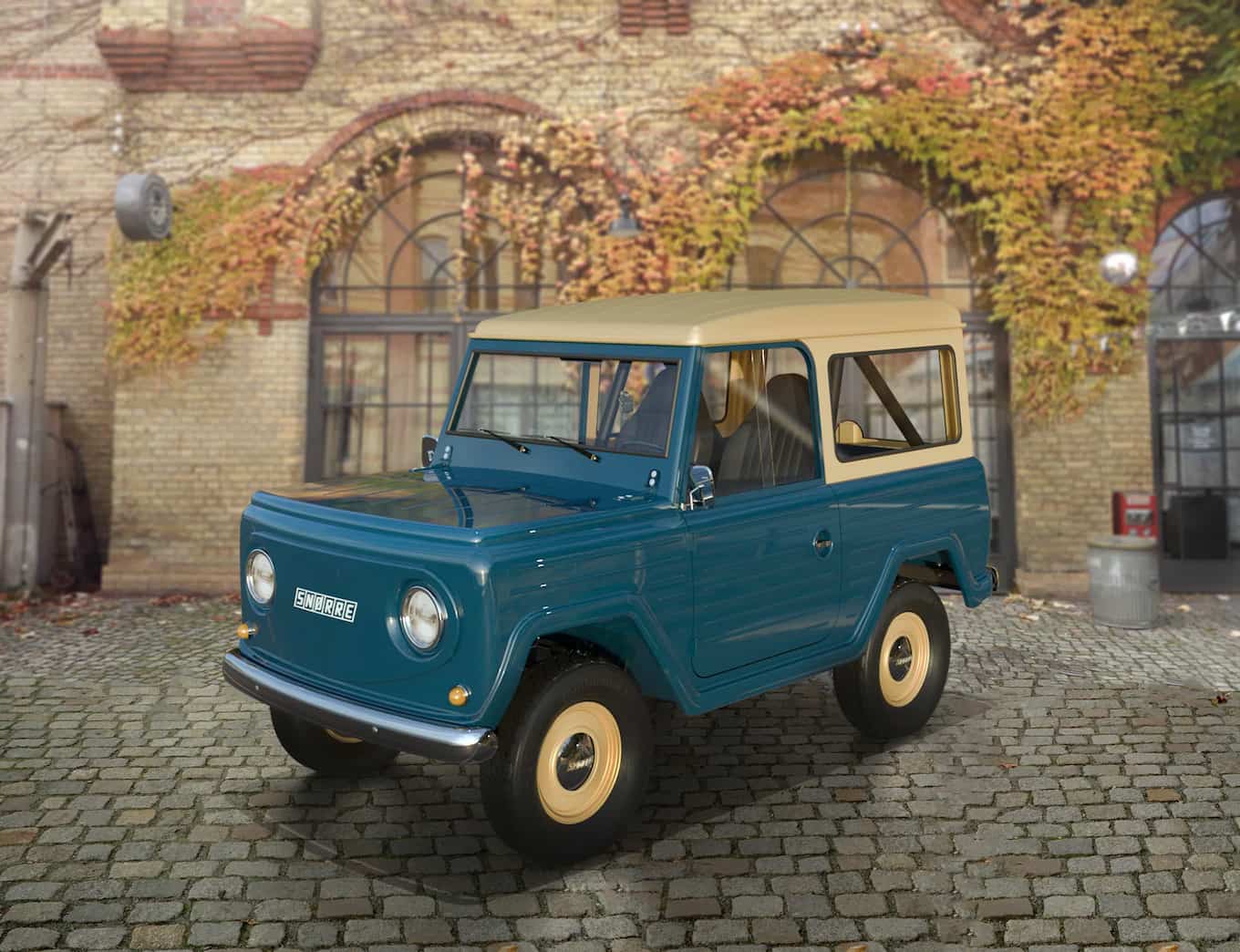
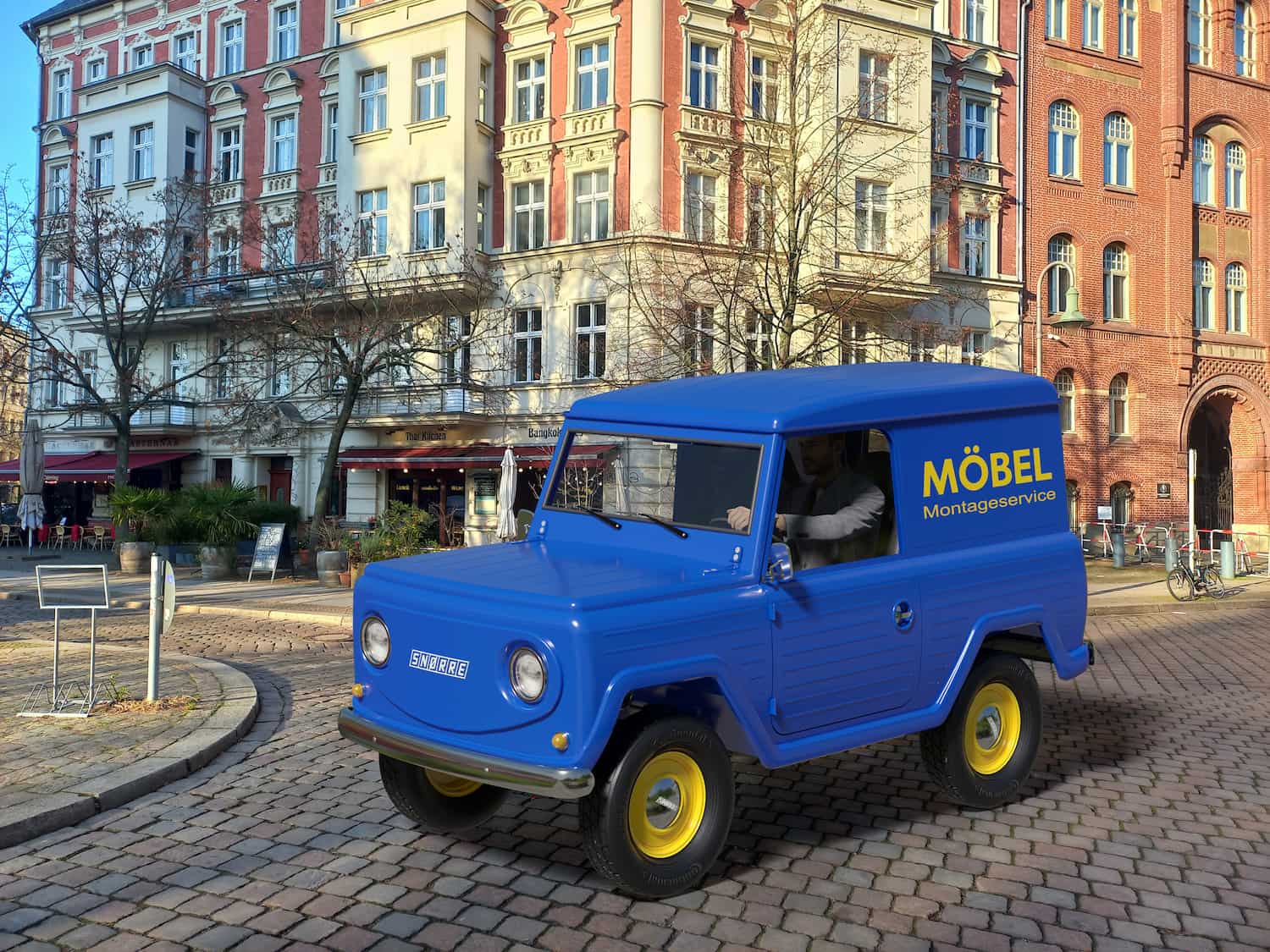
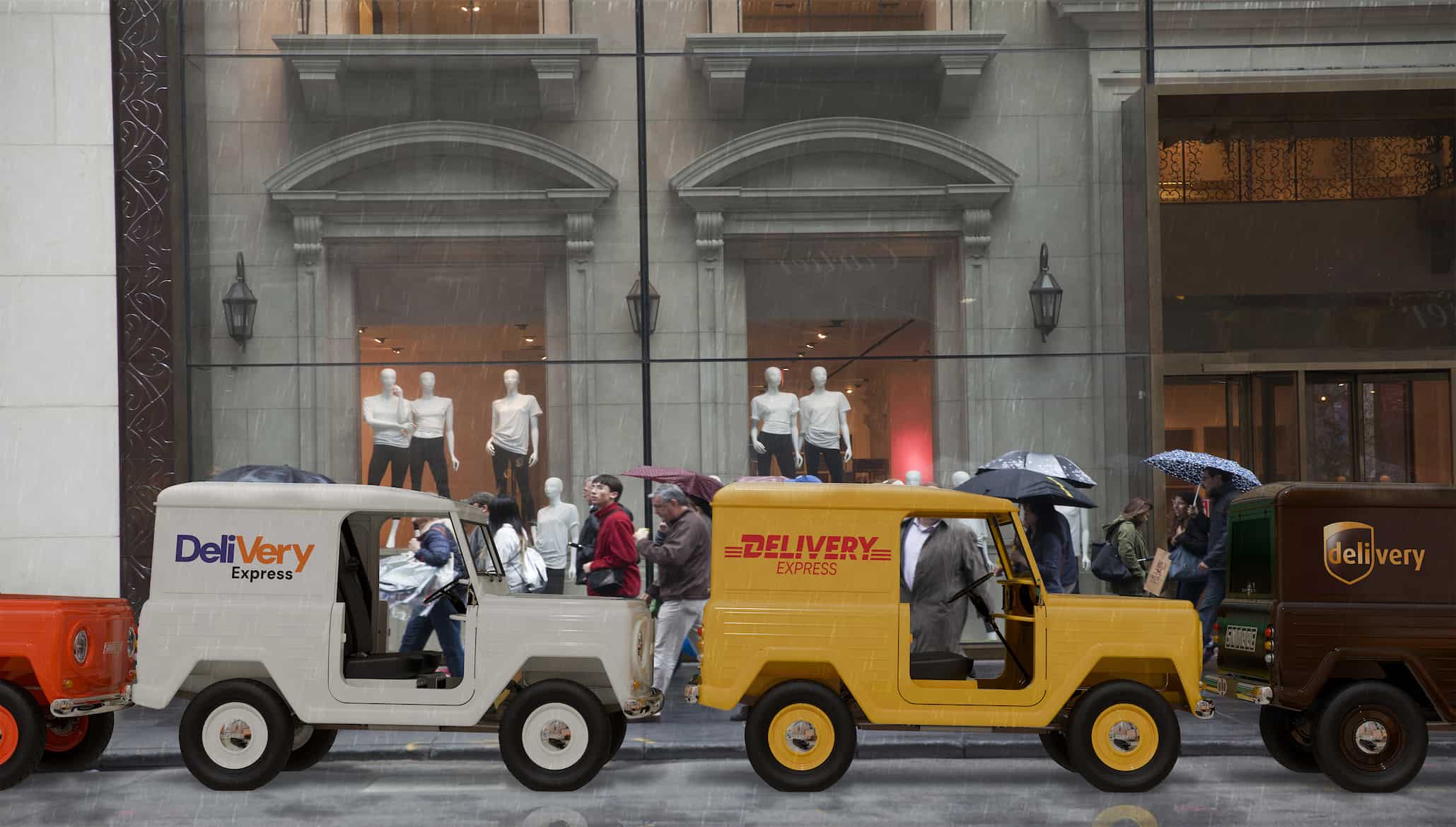
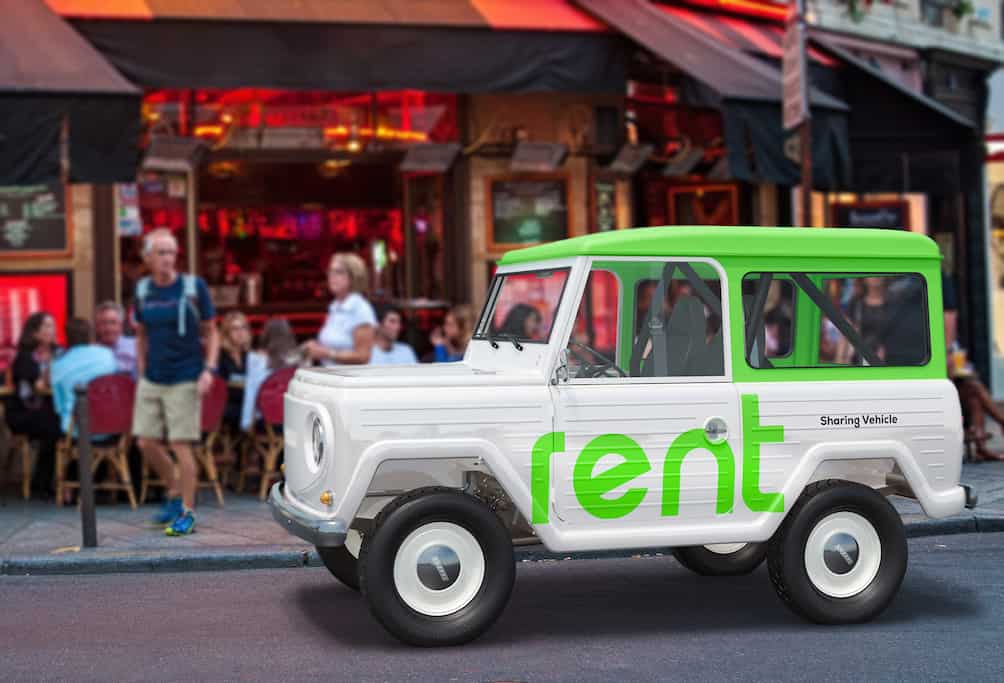
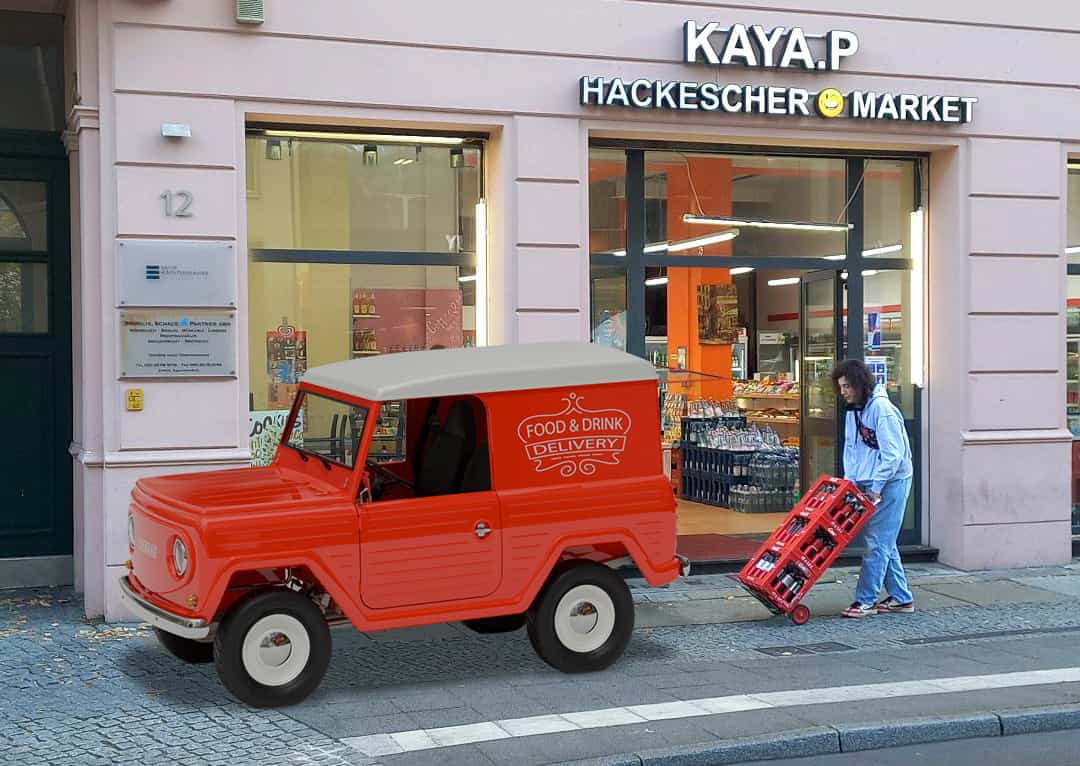
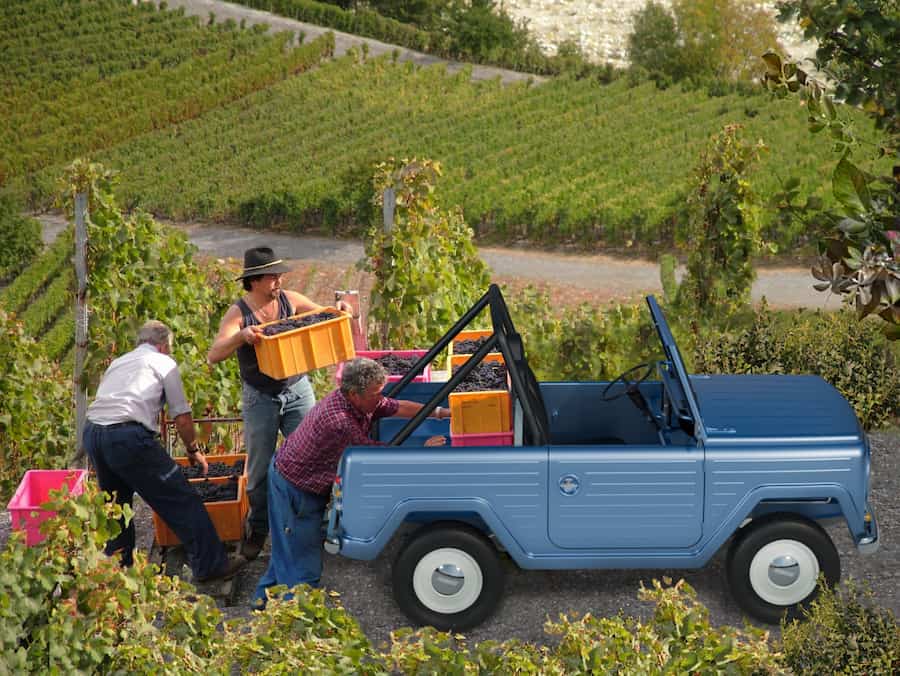
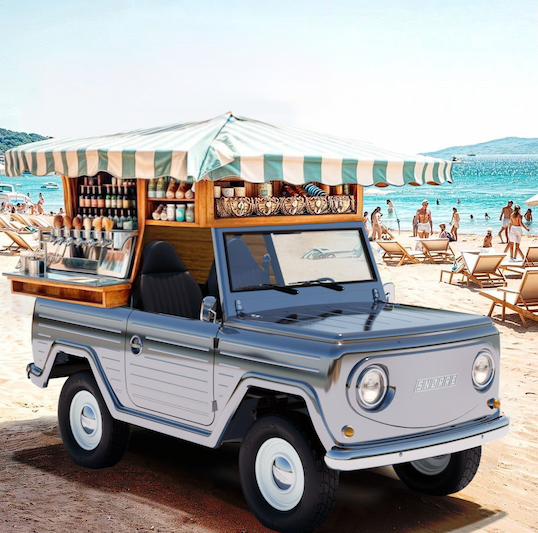
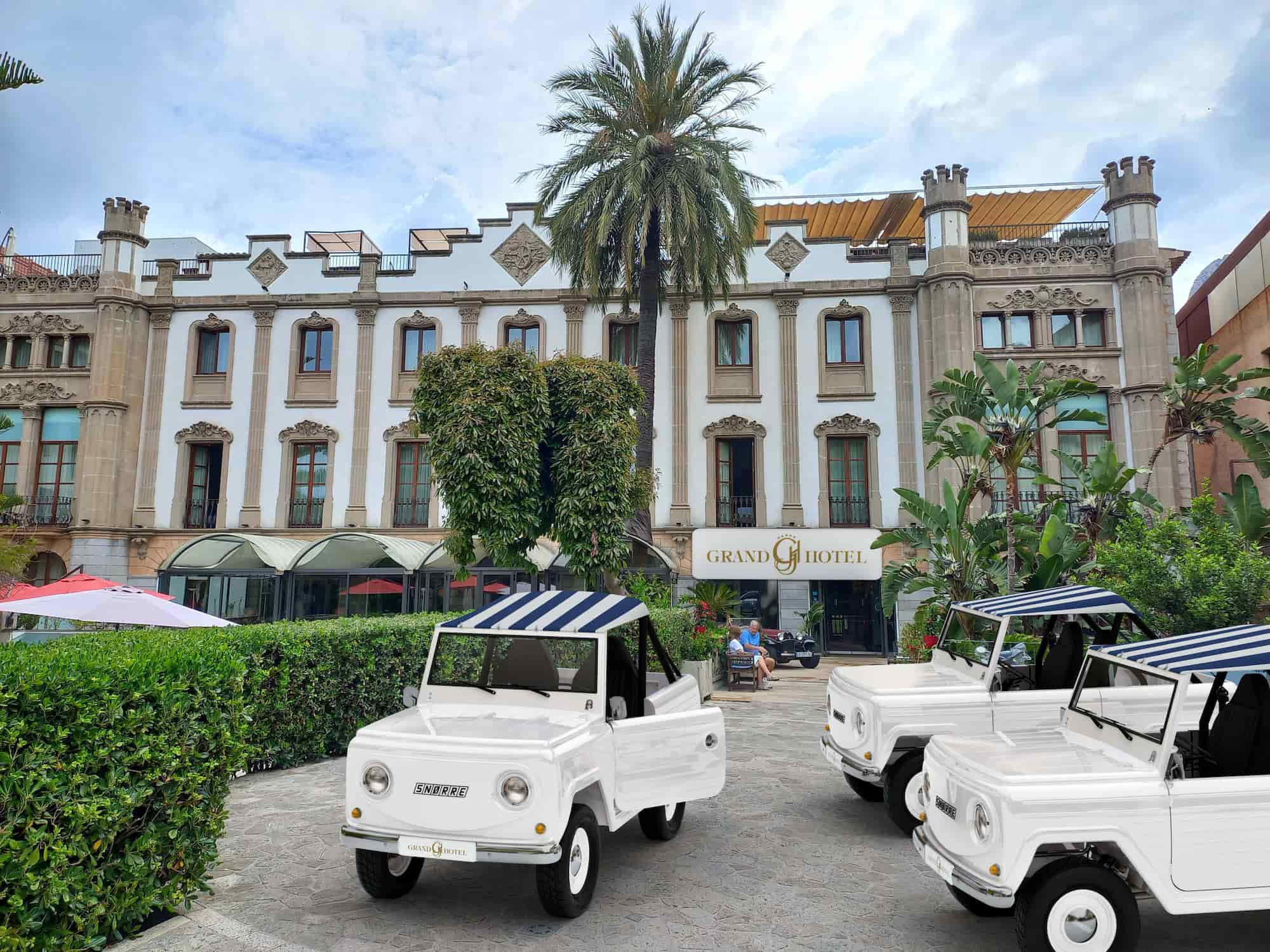
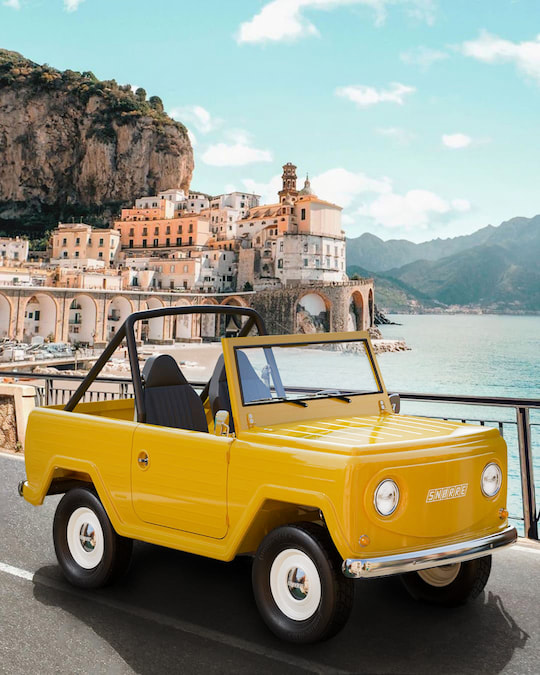
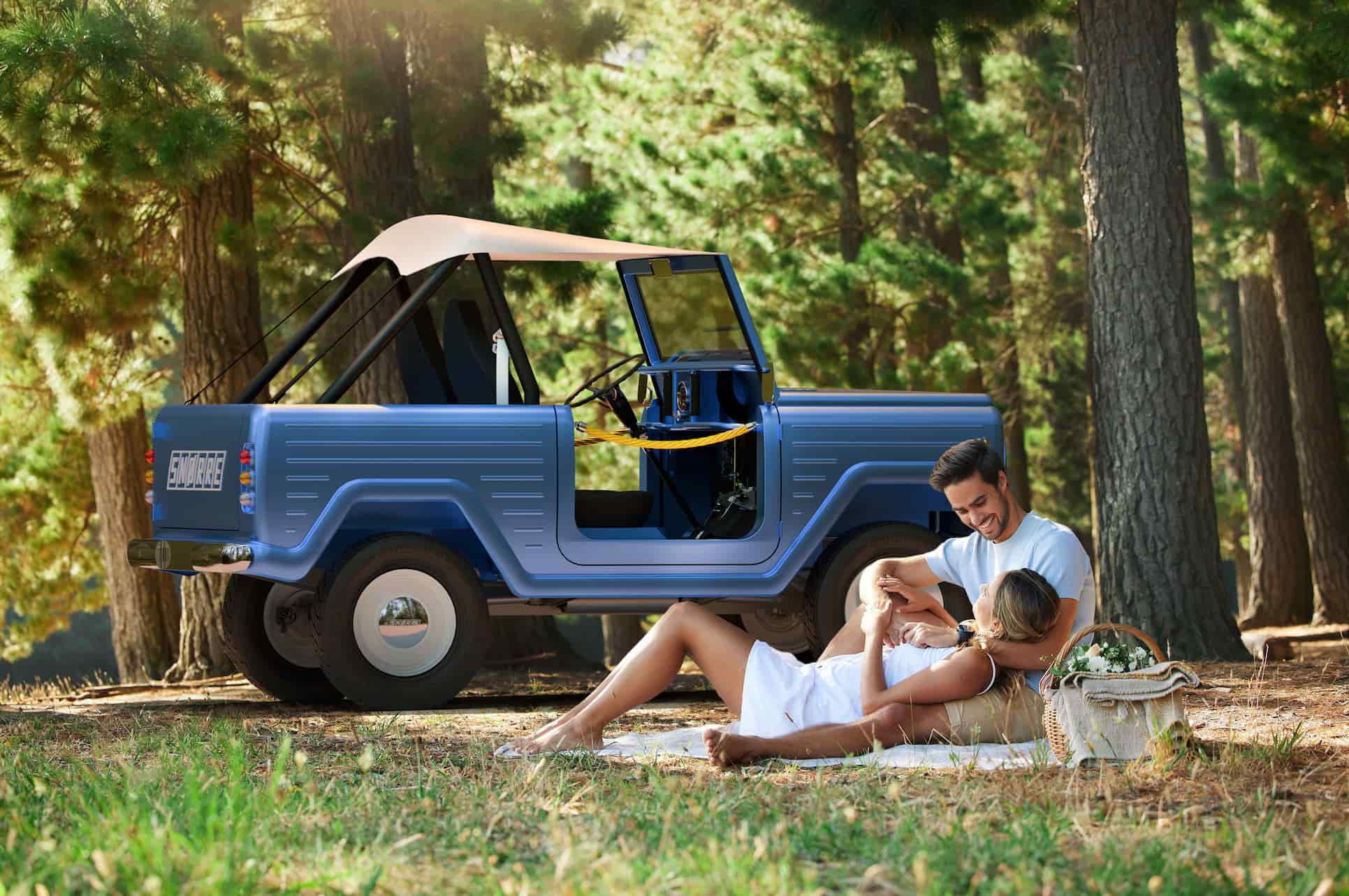
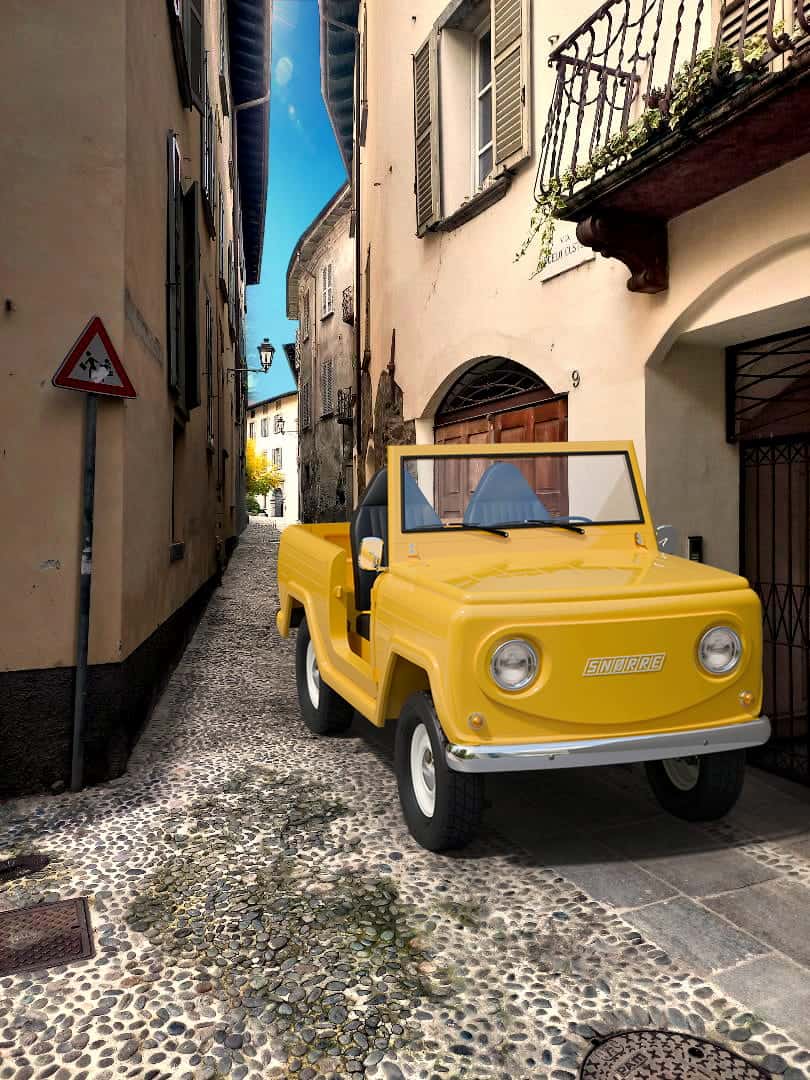
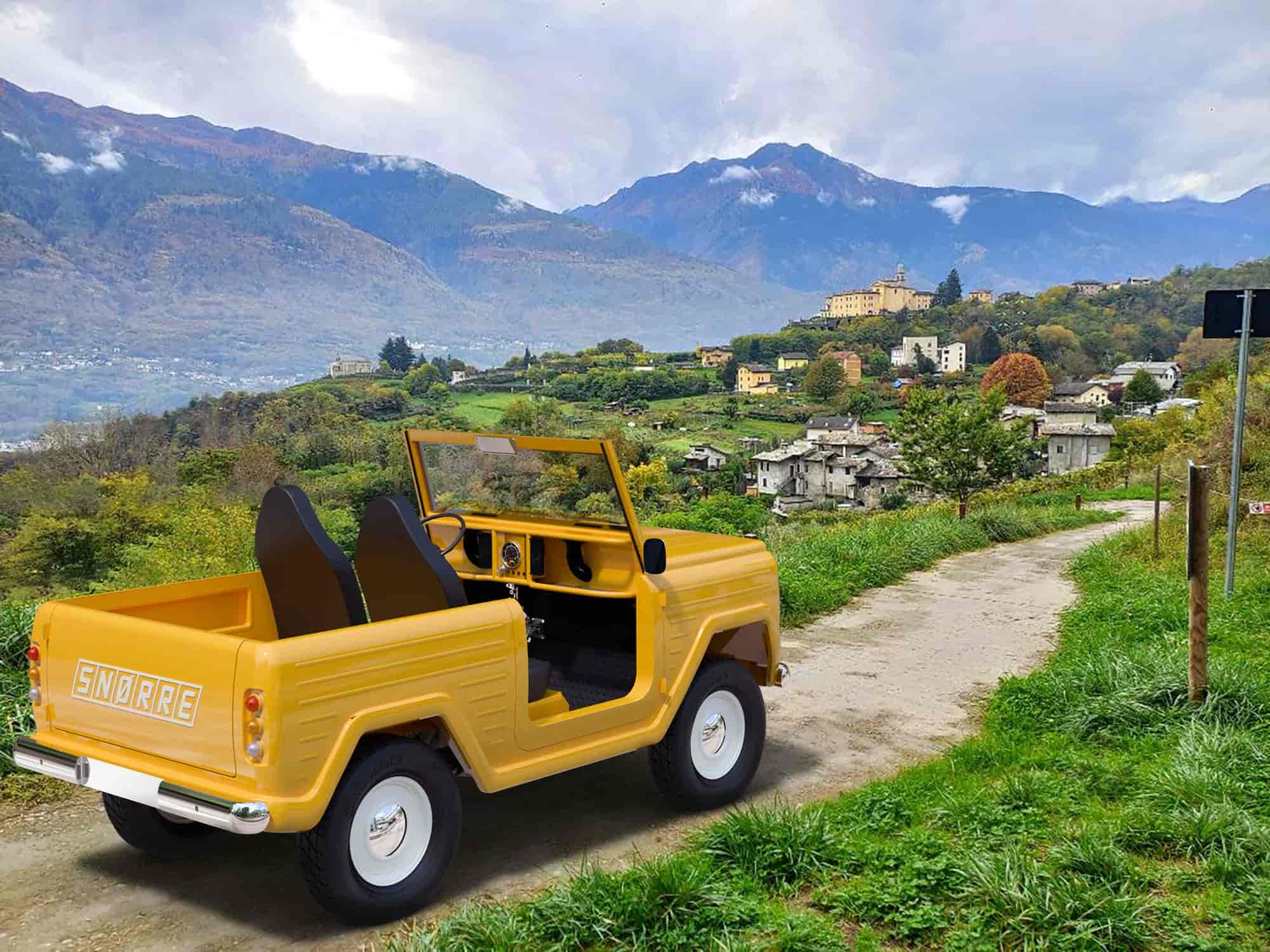
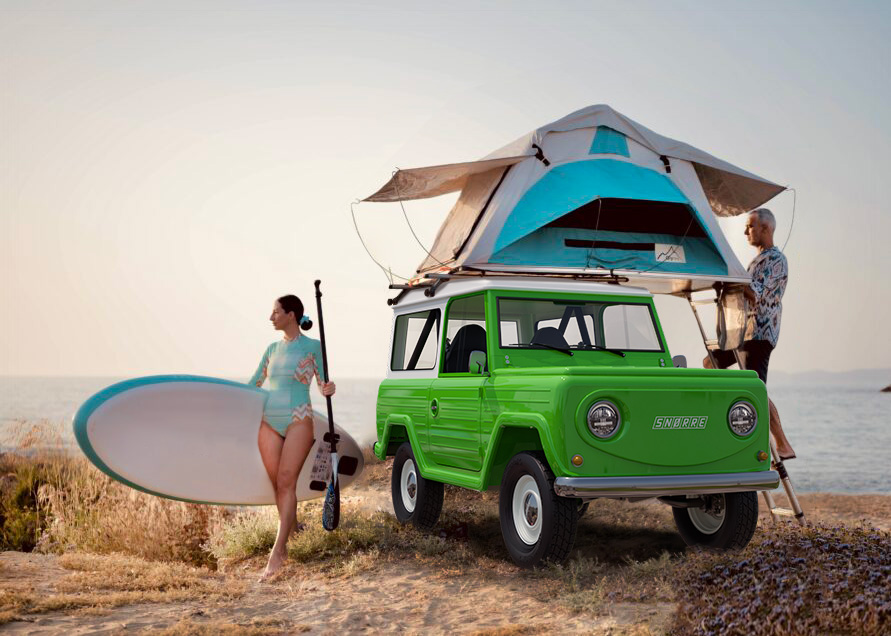
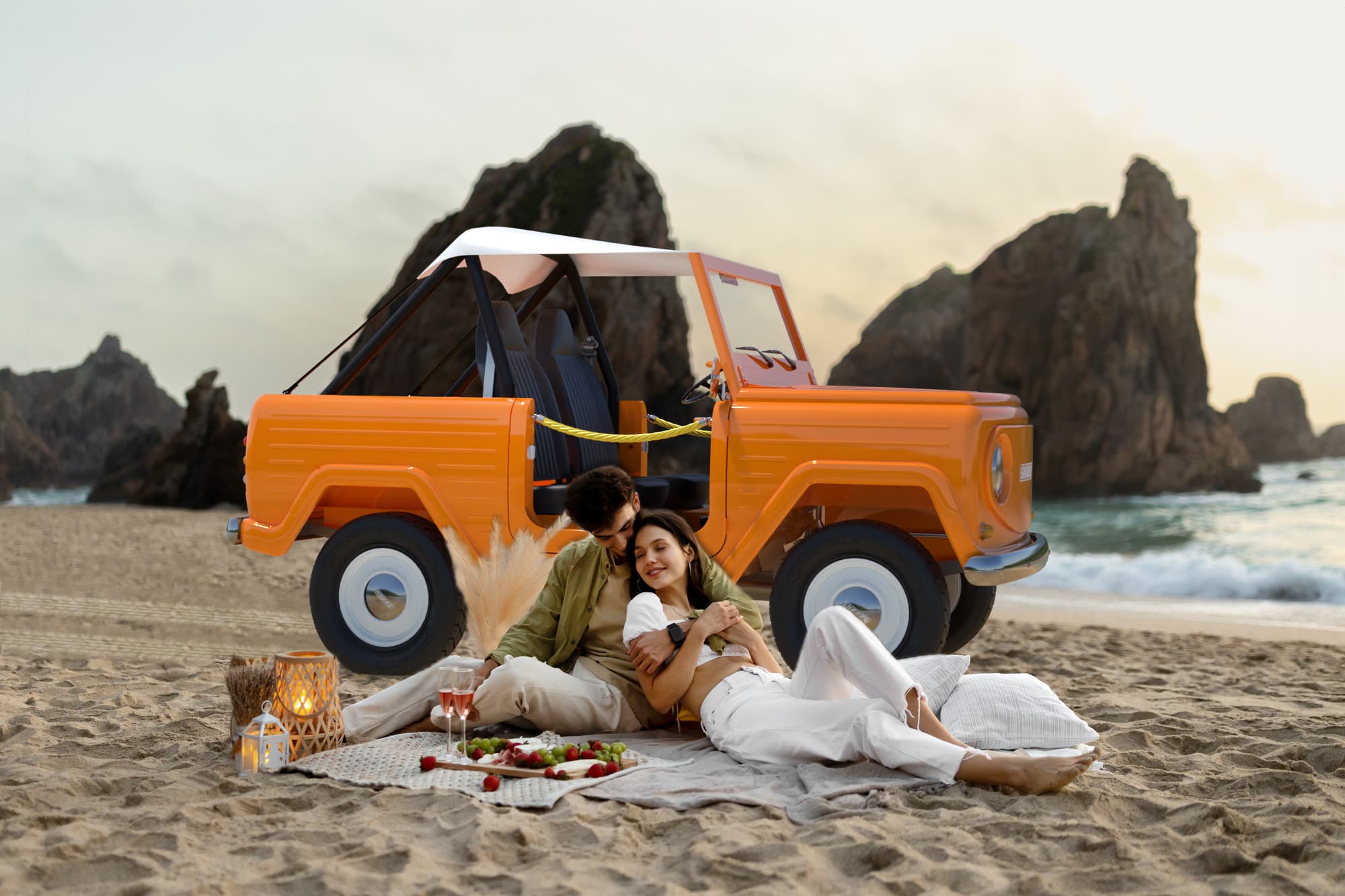
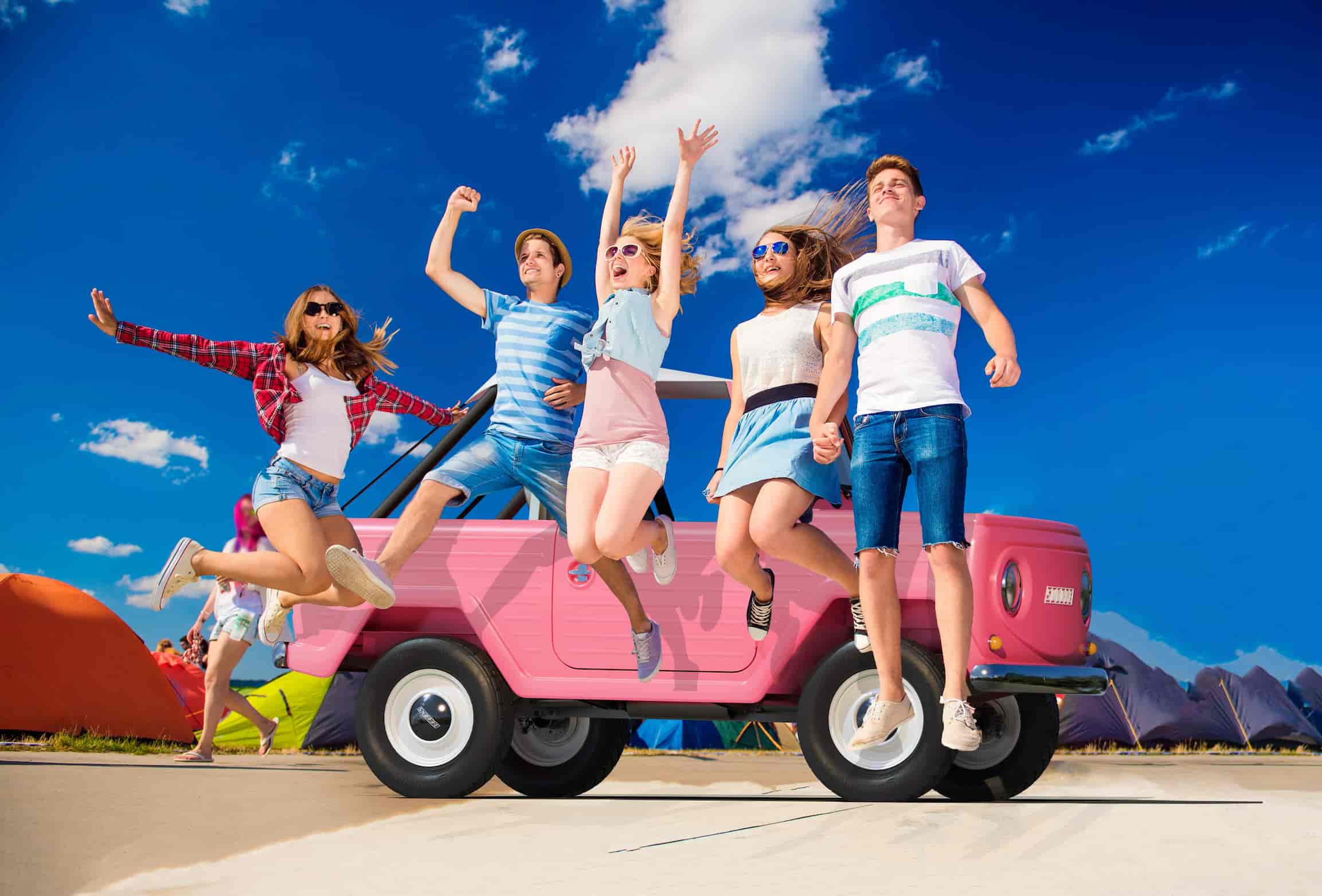
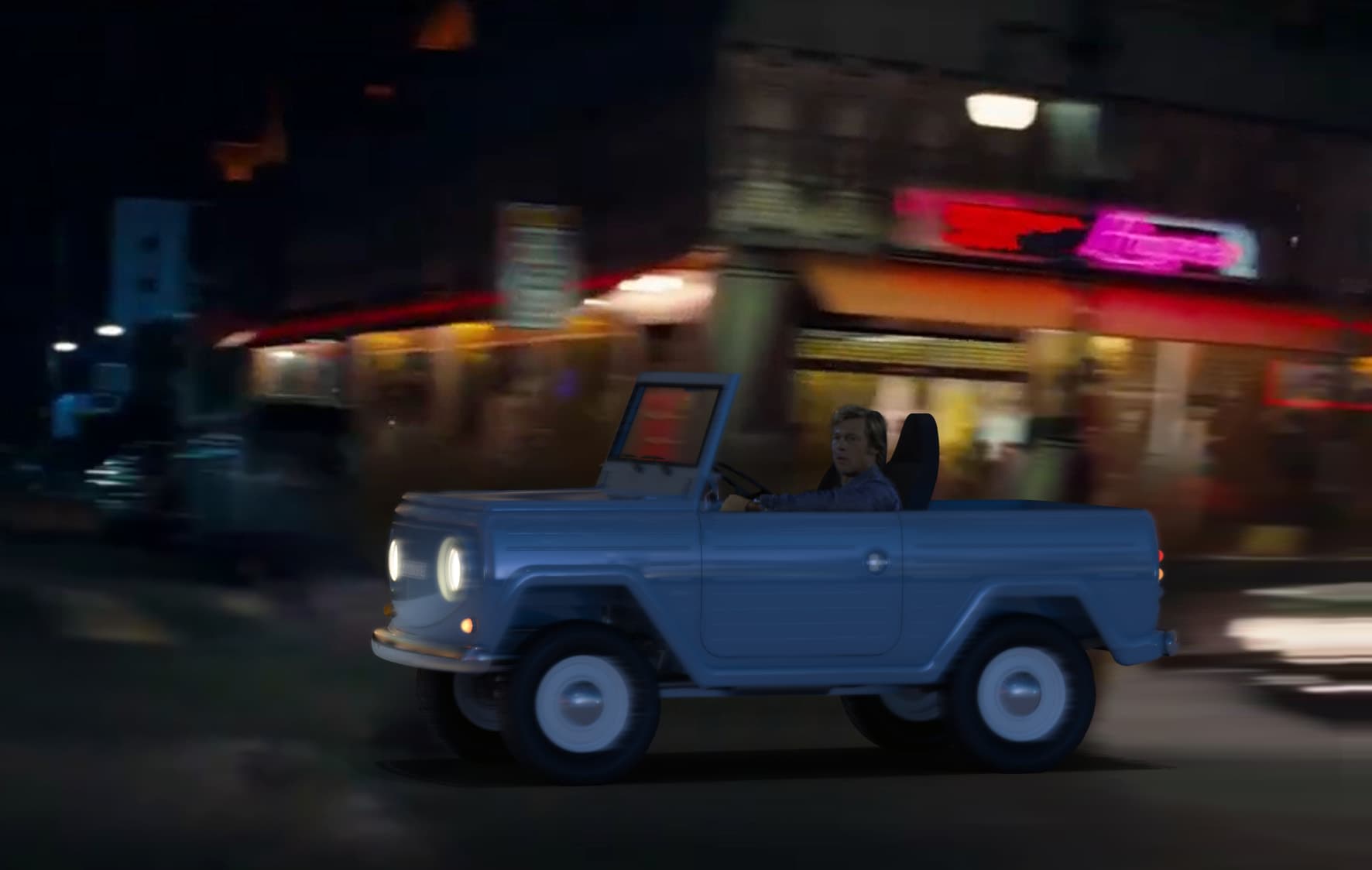
Private use:
Way to work/university/school etc, short journeys, shopping, fits in everyone Parking space, as L6e version free from 15 years of age with class AM driving license
Sharing:
ideal sharing vehicle in urban areas, very robust and simple to use
Mediterranean area:
Ideally suited for narrow streets/alleys, rough terrain, Slopes, short wheelbase, high ground clearance
Vacation:
Sharing/rental vehicle for holiday resorts, hotels, holiday apartments, Excursions, beach, nature, sport Great driving pleasure thanks to the convertible feeling and soft suspension chassis
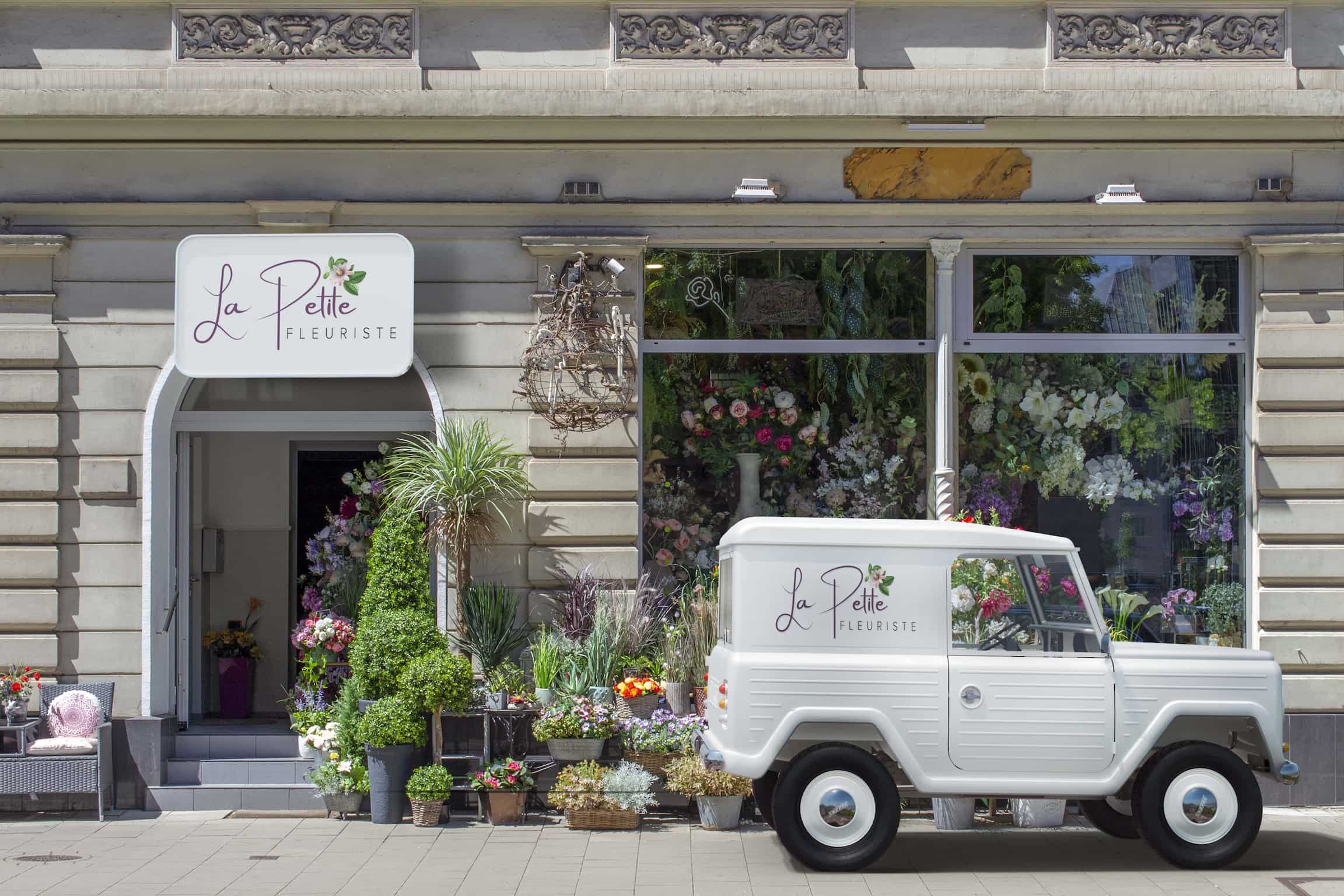
Delivery/Last Mile:
Manoeuvrable delivery car for all kinds of deliveries (parcels/drinks/ Food) Continuous use possible thanks to replaceable batteries
Municipal vehicle:
Small quiet helper for hospitals/horticulture/parks/ Sports fields etc.
Business:
Functional small vehicle for crafts & service (care service, caretaker etc.) Sales vehicle (food truck/coffee), the modular design enables all kinds of special structures
Technical data table
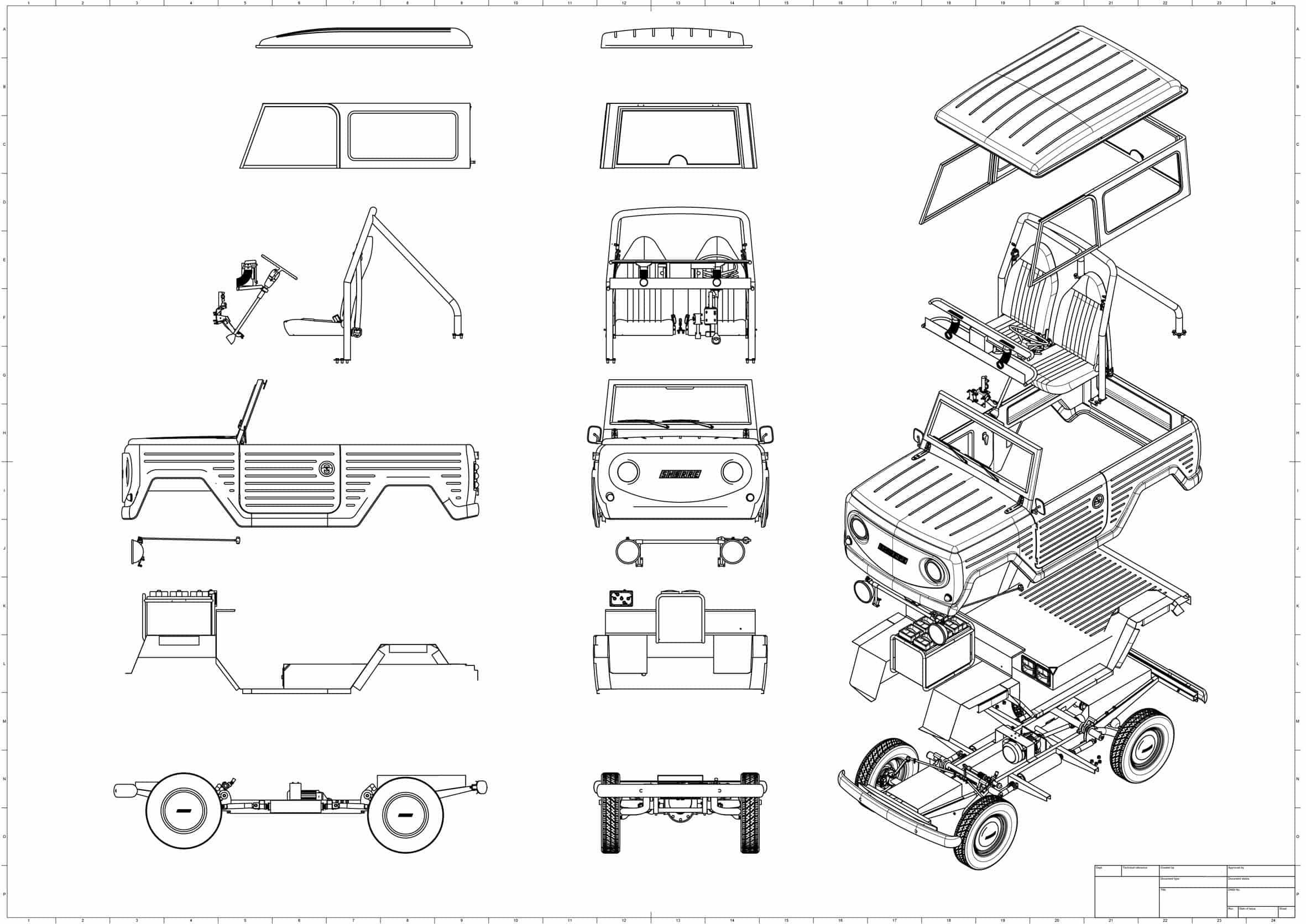
General vehicle data
- Weights: Empty weight without batteries (kg): 390, max. payload (kg): 400, permissible total weight (kg): 790
- External dimensions: 3,310 Length (mm):, Width (mm): 1,650, Height (mm): 1,850, Wheelbase (mm): 1,990, Front track width (mm): 1,260, Rear track width (mm): 1,260 and Track circle (mm): 7,560
- Electrically powered rear wheels
- Electric motor AC permanent magnet synchronous 6kw (L6e version) or 15kw (L7e version)
- Electric drive with four replaceable lithium-ion batteries kWh: 2.2/piece i.e. kWh: 8.8
- Maximum speed 45 km/h (L6e version), 85 km/h (L7e version)
- Consumption: 6.2 kWh per 100km
- Range: 110km (combined) with four batteries
View
- Light: low beam, turn signals, daytime running lights and high beam
- Windshield wiper washer system
- Exterior mirrors on driver's side and passenger's side can be adjusted from the outside
- Interior mirror
- Daytime running lights
- Headlight headlight range adjustment
Interior
- Ventilation system with electric heating
- Cup holders in the doors
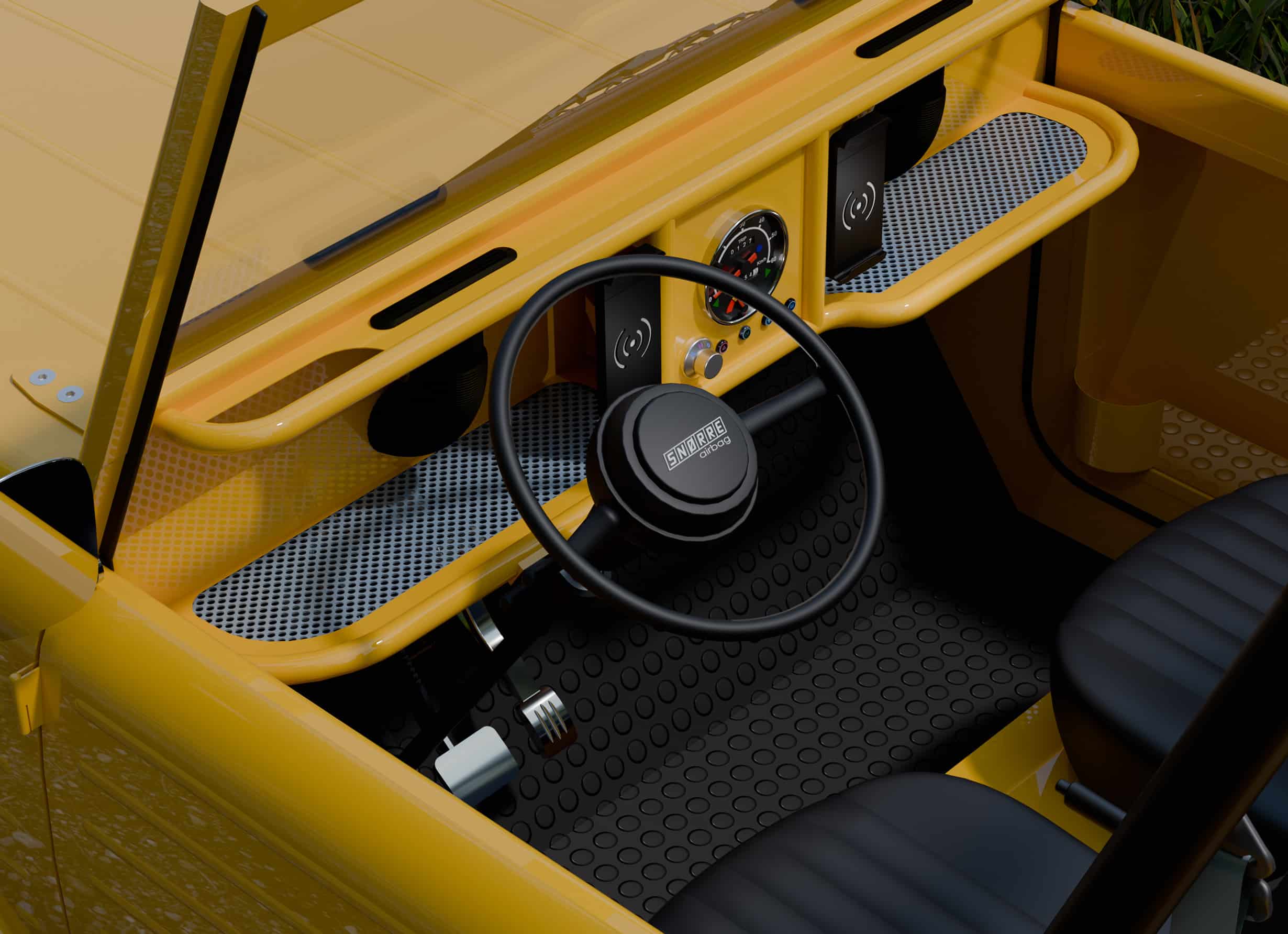
- Two mobile phone holders with wireless charging function
- 2 seats
- Driver's seat and passenger seat, individual seat with mechanical longitudinal adjustment
- Seat Covers: Vinyl
Exterior
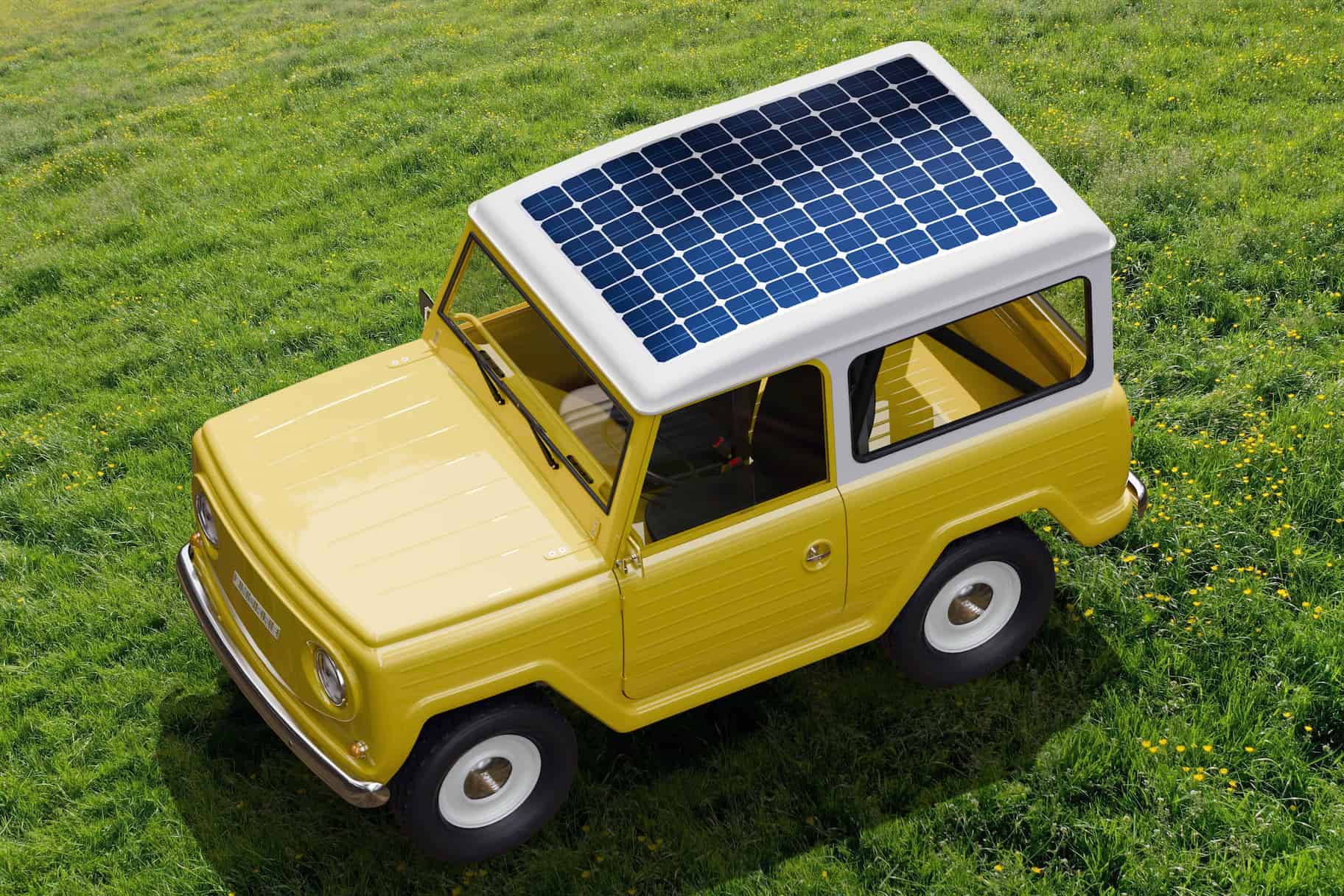
- Removable roof + convertible canvas top + bikini top awning
- Steel rims 4 J x 15 H, tires 165/70 R15 on the front and rear axles
- Standard paint finish, alternatively colored aluminum anodized or high-gloss polish
Gearbox
- 1-speed automatic transmission + switching to load/climb gear
- Rear-wheel drive
Chassis
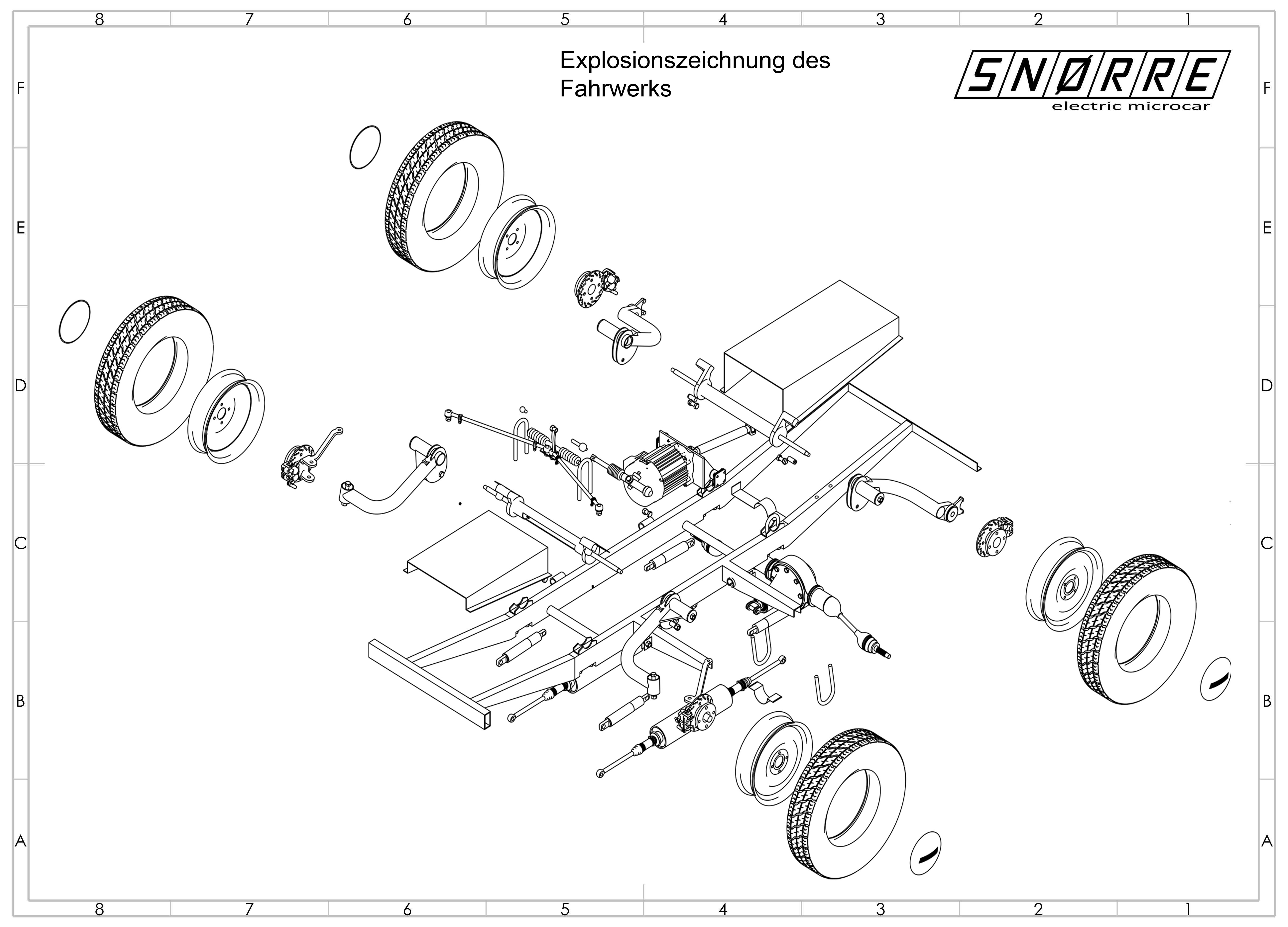
- 4-arm free-swing axle with rubber-mounted double spring pot (soft suspension)
Body
- Recycled aluminum body
Security
- Three-point front seat belts for driver and front passenger
- Roll bar connected to frame
- Driver airbag
- Seat-integrated headrests
- 4 disc brakes
Tank or route expansion
- In the front area, a 6-pack battery pack can optionally be installed in just a few steps. This allows a purely electric range of up to 250km.
- Instead of the 6 battery pack, a range extender can be installed as an alternative. The purely electric vehicle becomes a hybrid with unlimited range.
- Completely modular design and interchangeability of all energy storage devices.
- We use battery cells from recycling providers.
- Adaptation to advances in energy storage technology possible at any time, e.g. solid-state batteries or hydrogen fuel cells.
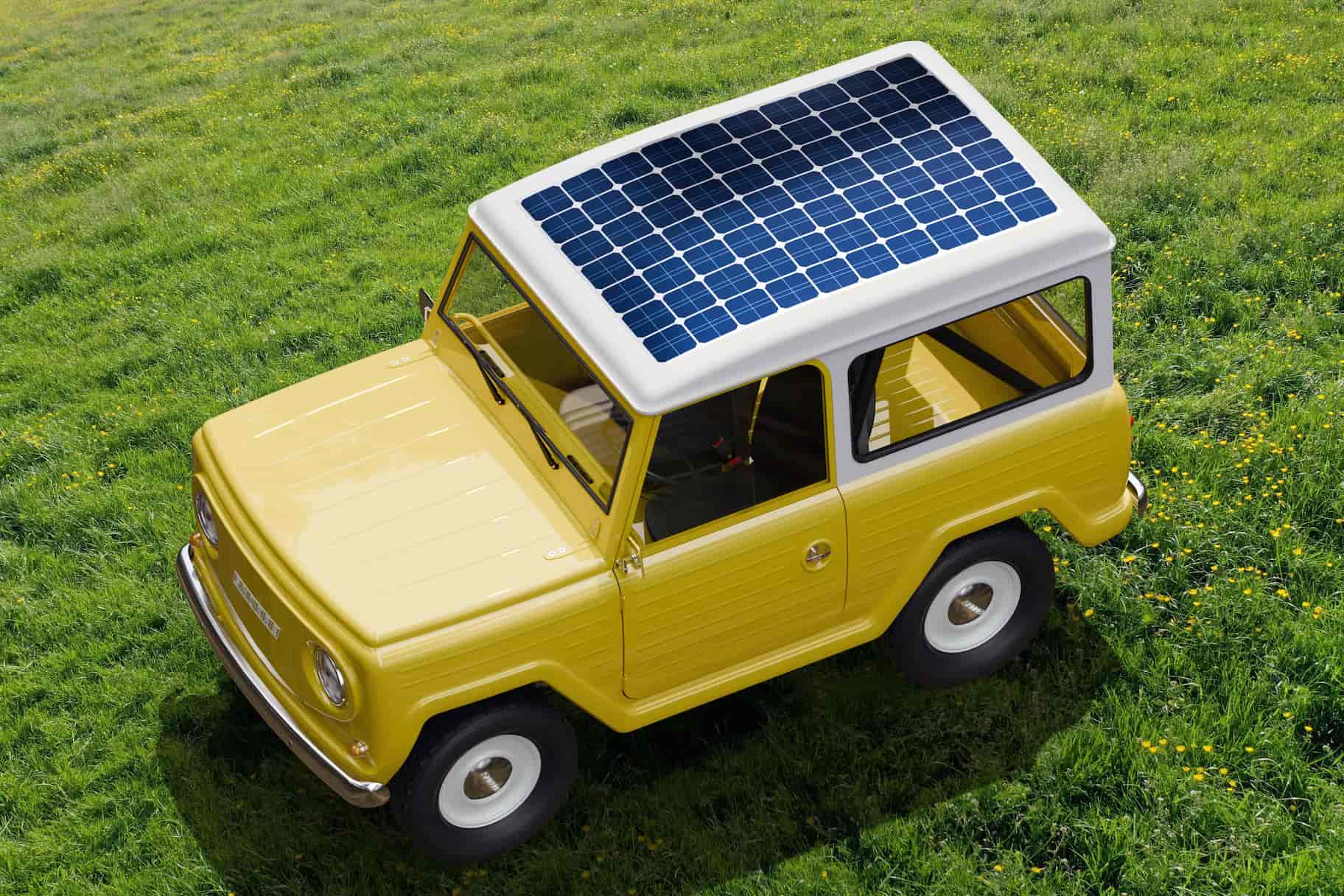
- Installation of a solar panel is possible without any problems
Impact – Measurable Ecological & Social Benefits
- Climate Protection:
SNØRRE: approx. 41 g CO₂/km Petrol car: approx. 180 g/km,
Electric car: approx. 70–100 g/km
- This results in an annual CO₂ reduction of approx.
0.6–1.0 tons per vehicle, assuming a realistic driving
distance of 4,000–7,000 km per year.
- Resource Efficiency:
- 90% recycled aluminium → significantly lower energy
consumption compared to primary aluminium (EAA 2020)
- Second-life battery modules, where technically feasible
→ reduce the long-term demand for new batteries
- Fair Labour & Value Creation:
- Approx. 80% European production with fair wages
- Strengthening of local economies and creation of jobs
Airbag and Battery System
Airbag System and position of batteries in vehicle.
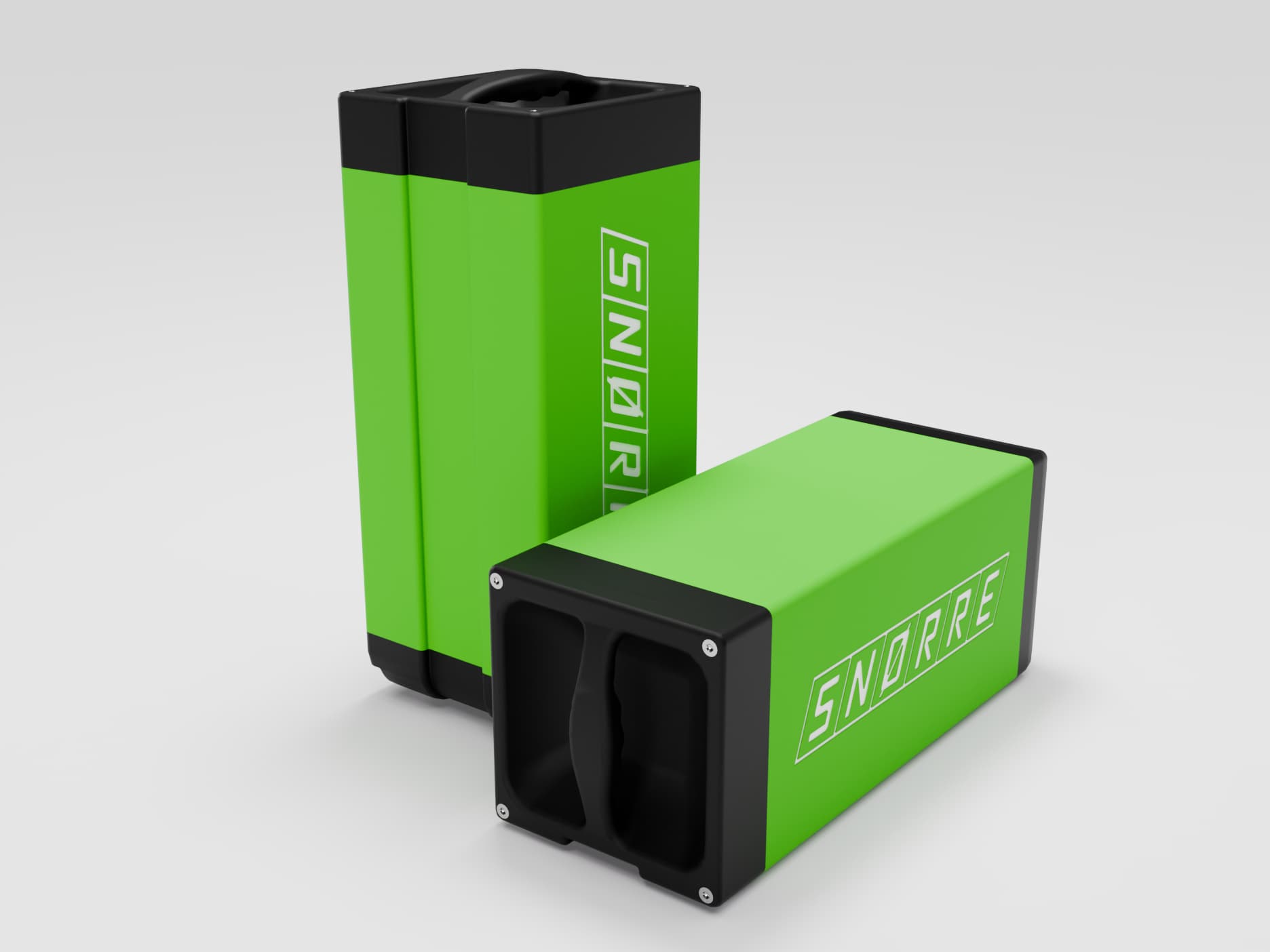
SNØRRE batteries, 2.2kWh per piece
SNØRRE Airbag steering wheel
The Founders
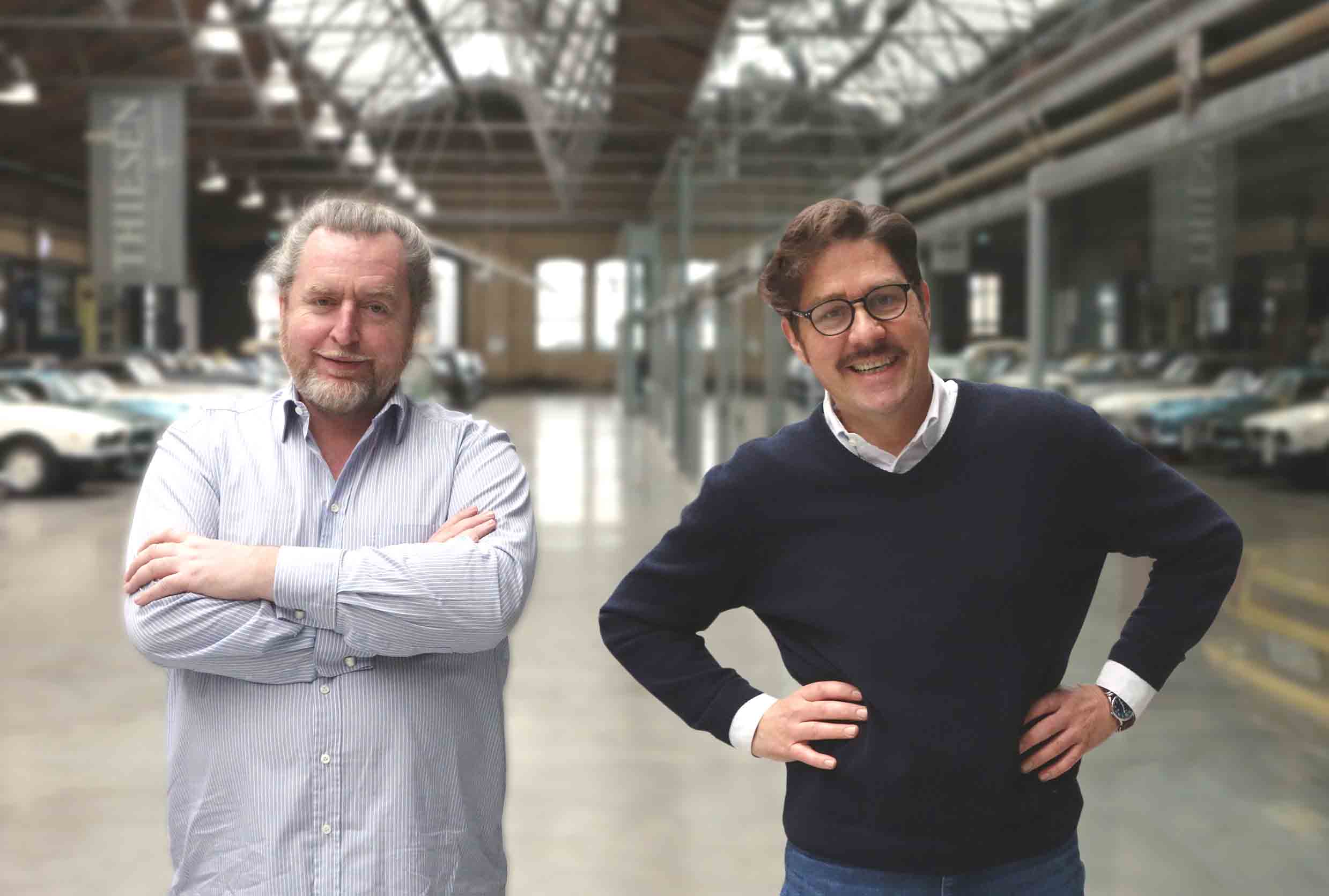
“True sustainability is directly related to longevity and useful life of a technical product. A long product lifespan is initially dependent on high-quality materials/manufacturing and a high ease of repair. However, these efforts are futile if the product design is not up to par, can't withstand devaluation through fast-moving fashion trends. If the design is purely contemporary oriented, the product will be worthless within a few years - despite the best functionality. Only a timeless design ensures a long product life even possible. A timeless design is the key to true sustainability.”
- Marcus and Björn, founders
The Bigger Picture
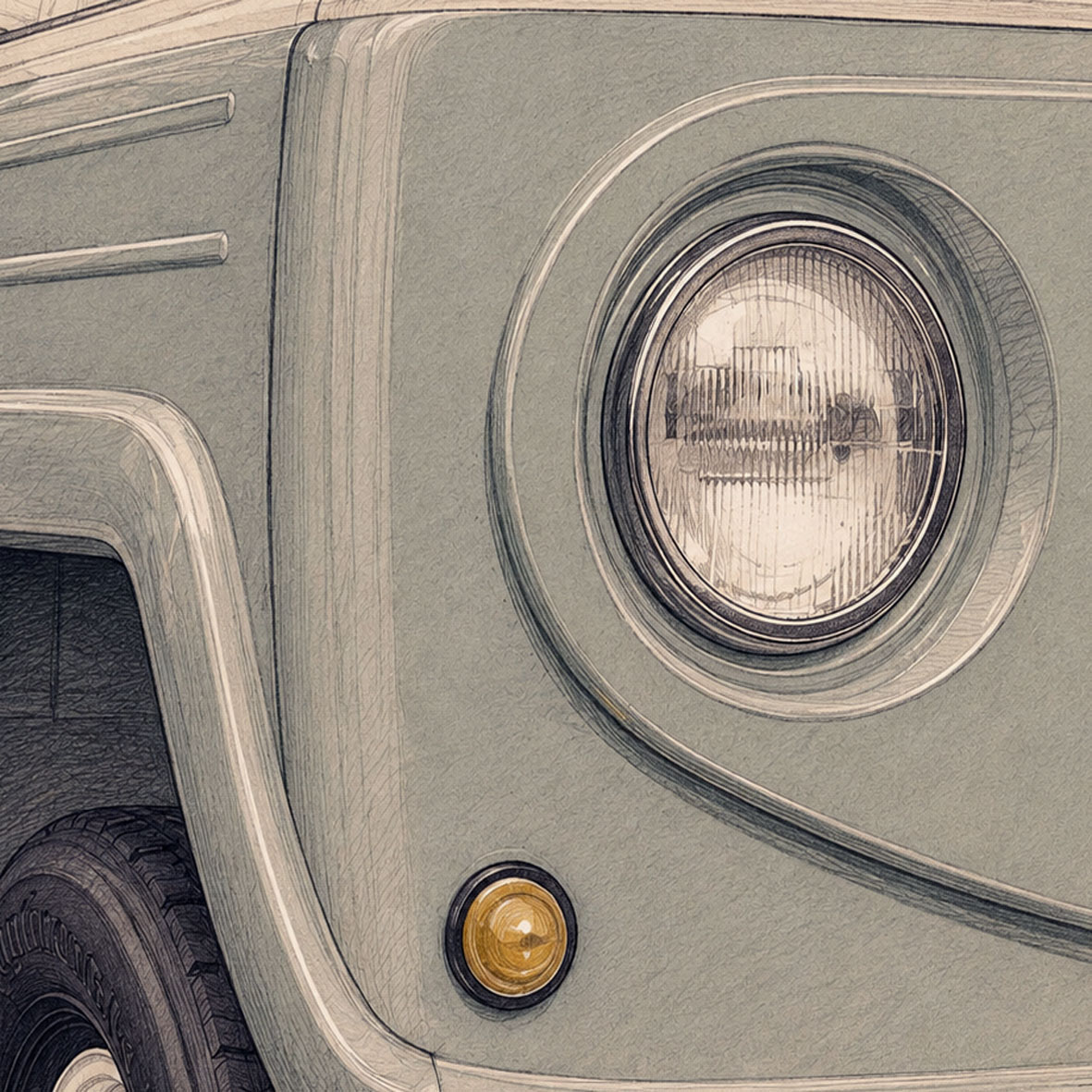
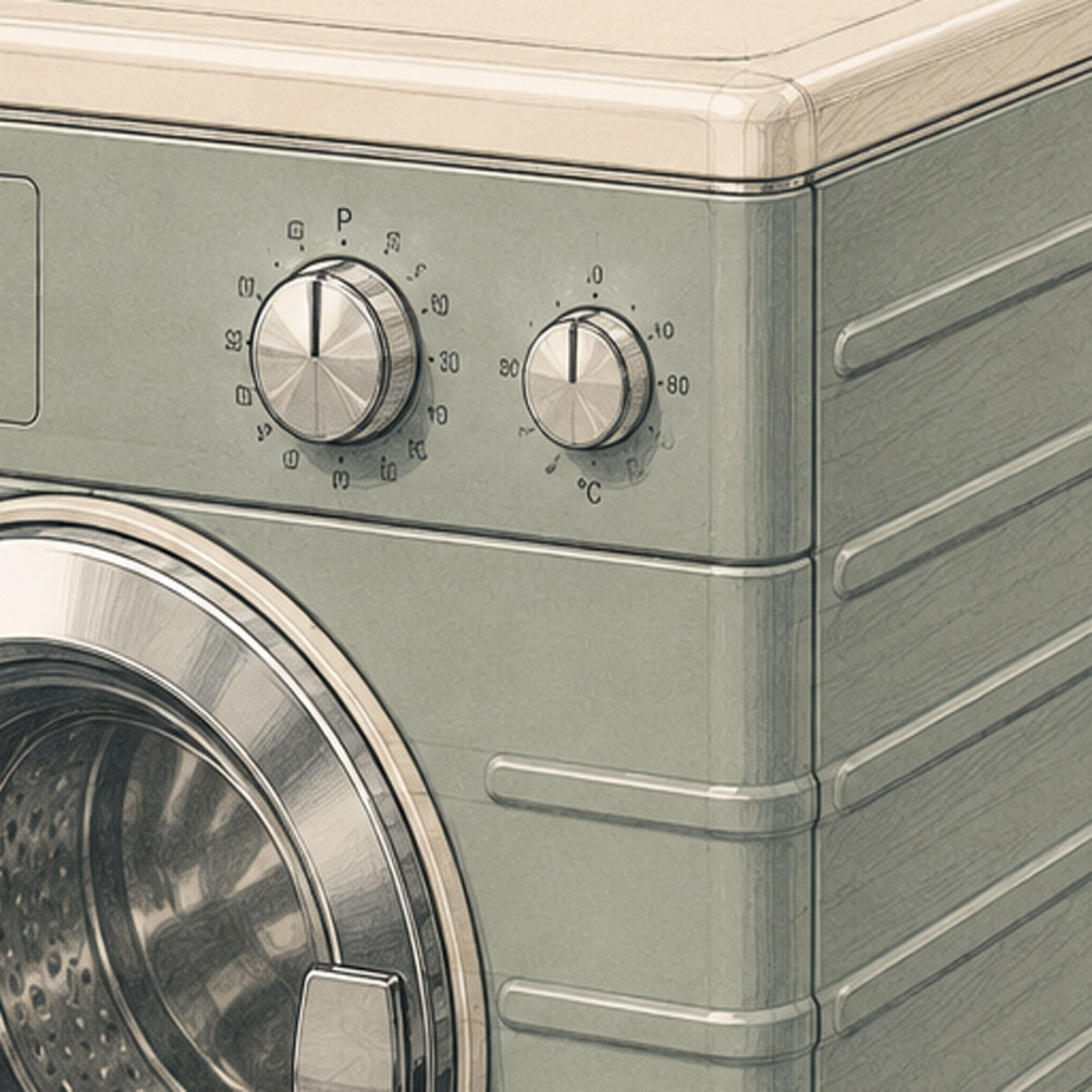
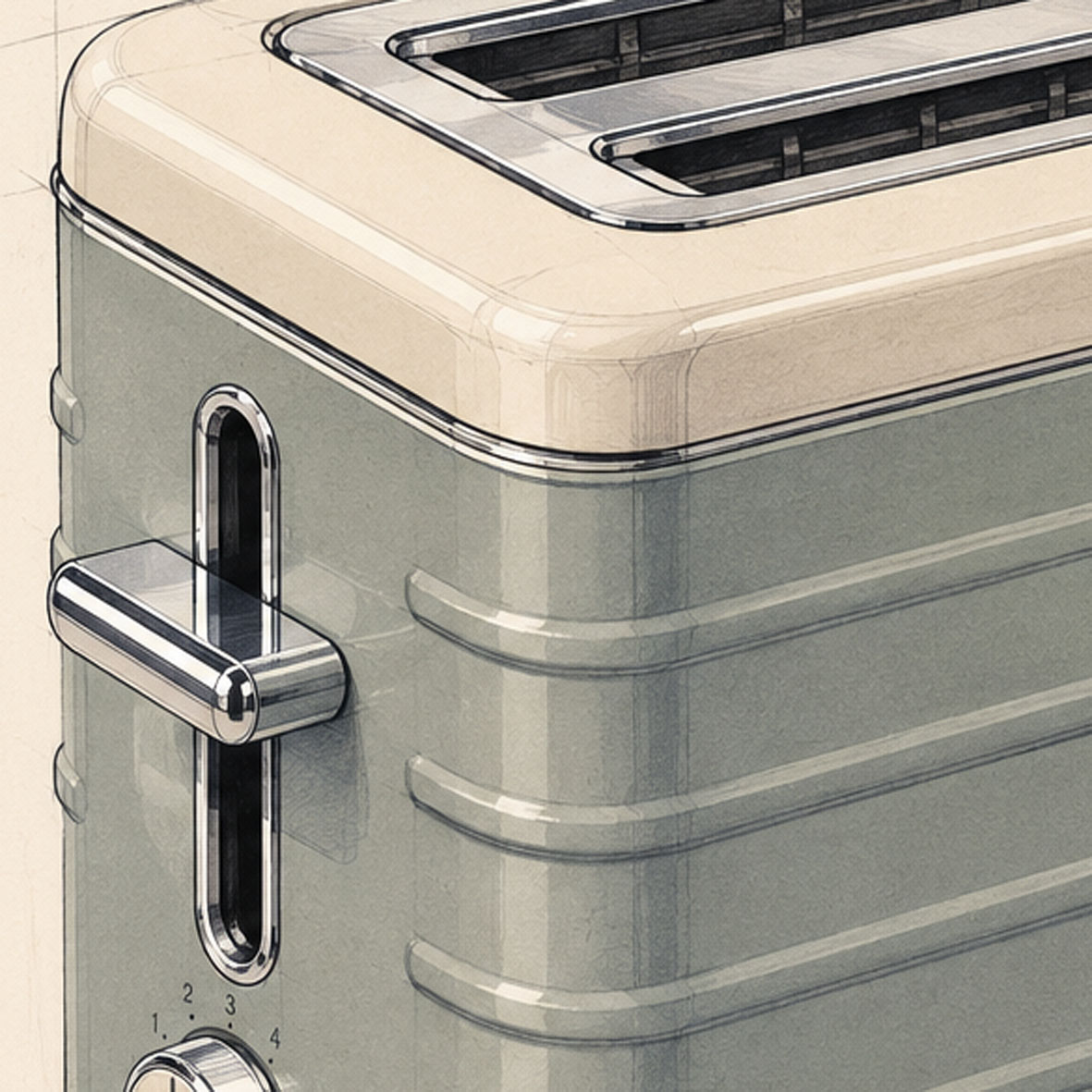
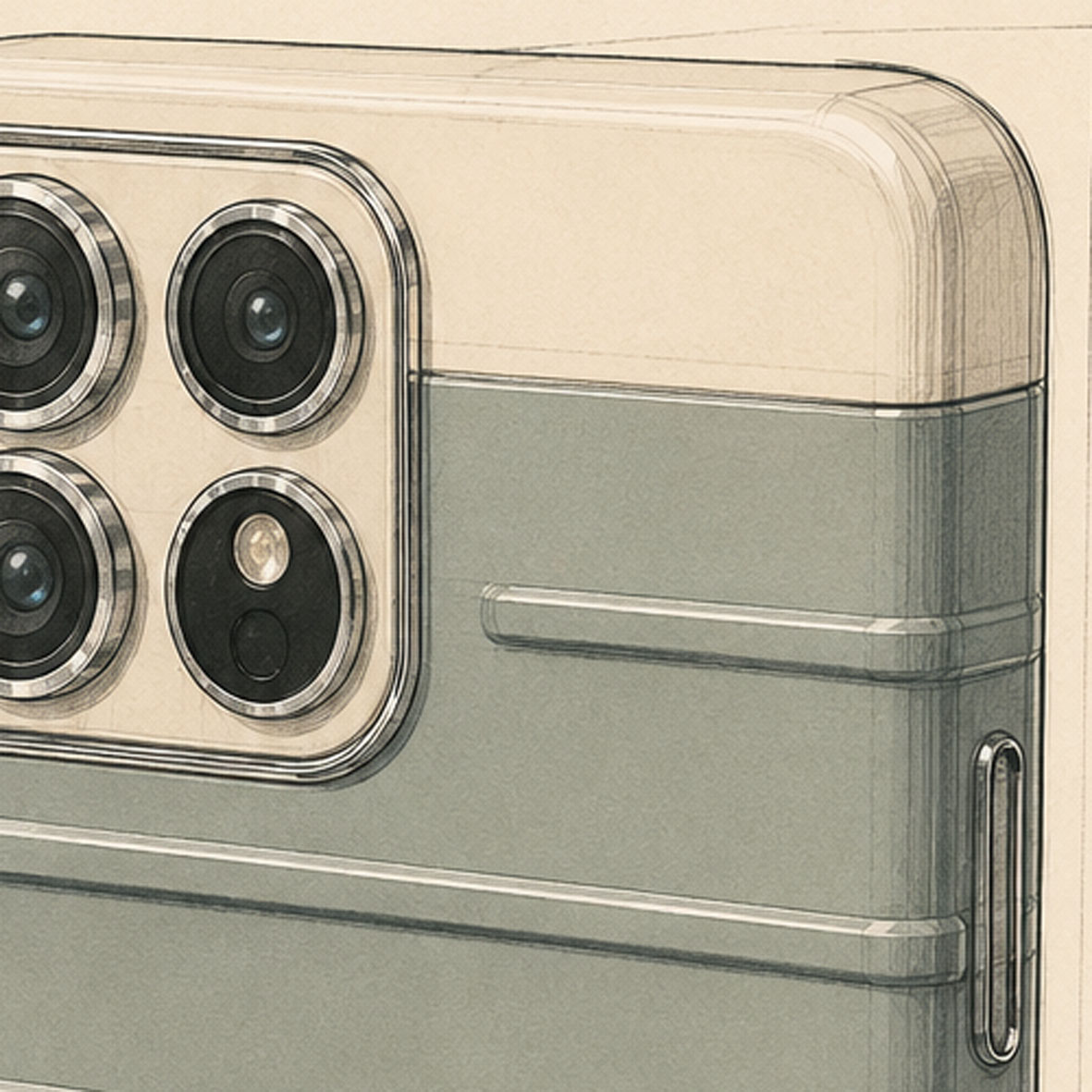
SNØRRE represents a new generation of durable products.
Products that not only work, but are clearly part of the same family.
A shared design DNA creates brand recognition, trust, and long-term value—across individual product categories.
The SNØRRE Microcar is just the first visible step.
Discover the SNØRRE Brand System →
Imprint/Contact
SNØRRE Brand System GmbH i.G.
Oranienburger Straße 16
10178 Berlin
Managing partners: Marcus Döhrmann and Björn Wessel
Register entry: Entry in the commercial register of the Berlin-Charlottenburg district court follows
Contact:
Telephone: 0163 7117617
E-Mail: info@snorrebrand.com
Disclaimer:
Despite careful control of content, we assume no liability for the content of external links. The operators are solely responsible for the content of the linked pages.
Responsible for content according to Section 18 Paragraph 2 MStV:
Marcus Döhrmann and Björn Wessel (For contact, see above)
Copyright © 2026 SNØRRE Brand System GmbH